Changeable and Unchangeable Factors
Understanding Wear: Robust vs. Delicate
Silk strings are less durable than synthetics like nylon or Tetron.
Thin strings wear faster than thick ones because there is less material to endure repeated playing.
Strings don’t break suddenly—they wear gradually over time. Understanding this helps you manage expectations and care for your strings.
Basic Principles
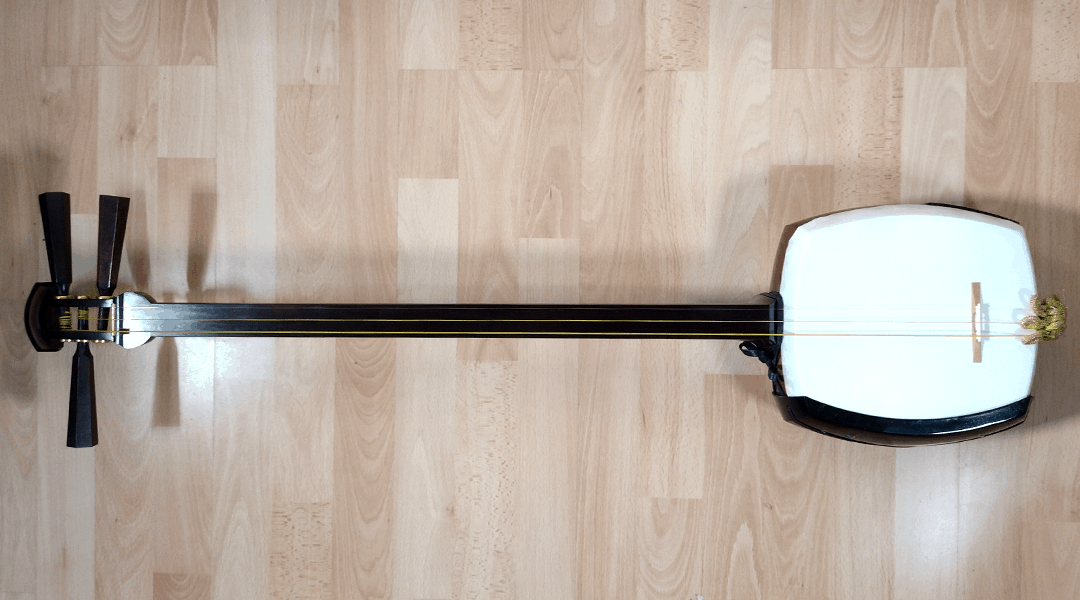
If the strings run in a straight line from the itomaki to the neo, the material has a longer lifespan.
The Five Factors
1. The Neo
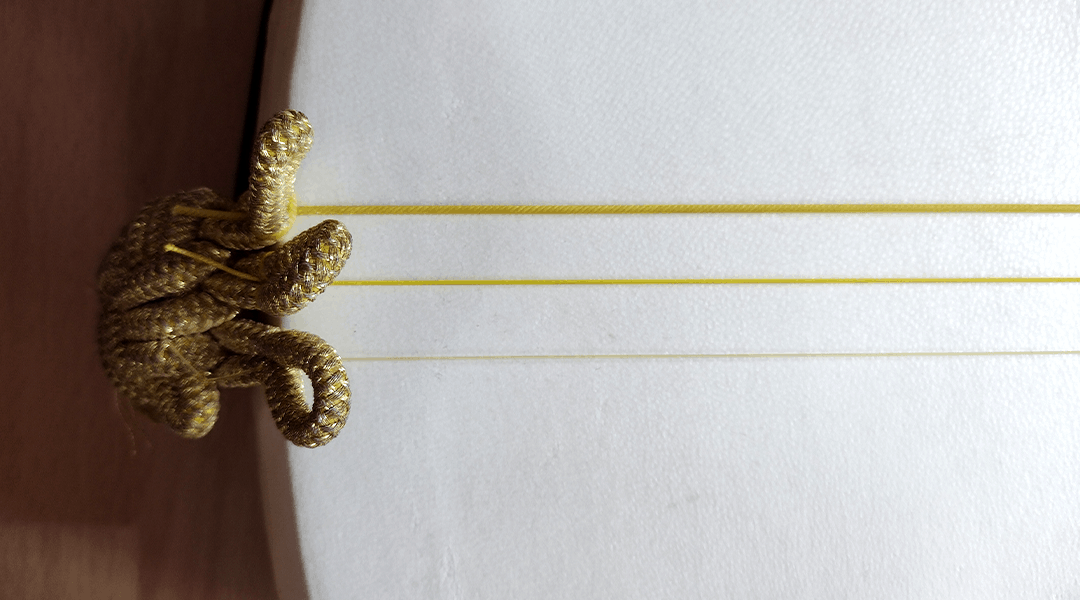
When everything looks symmetrical, the strings will be happy.
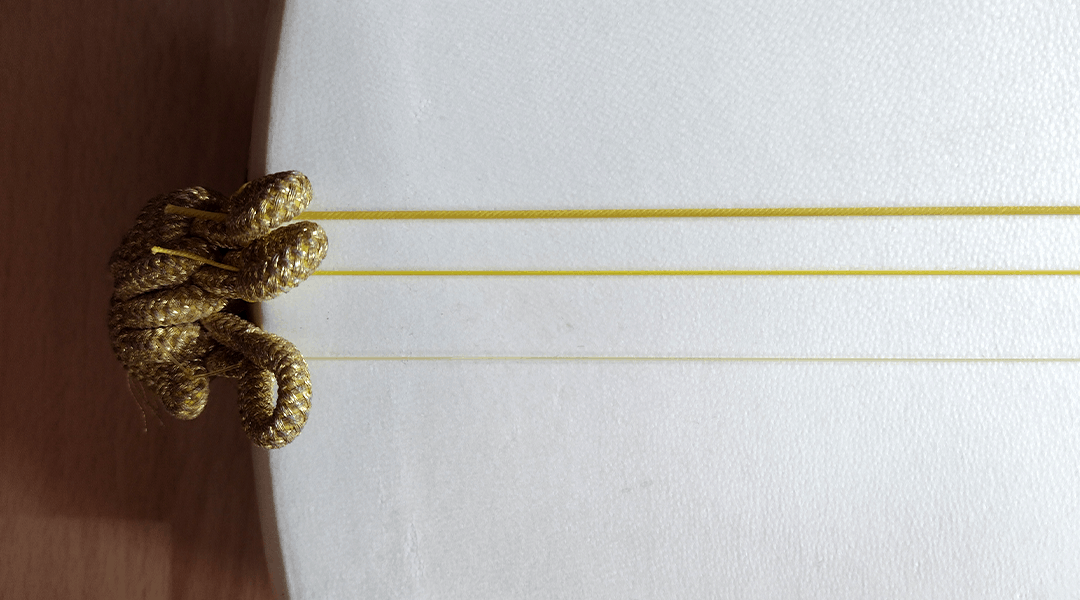
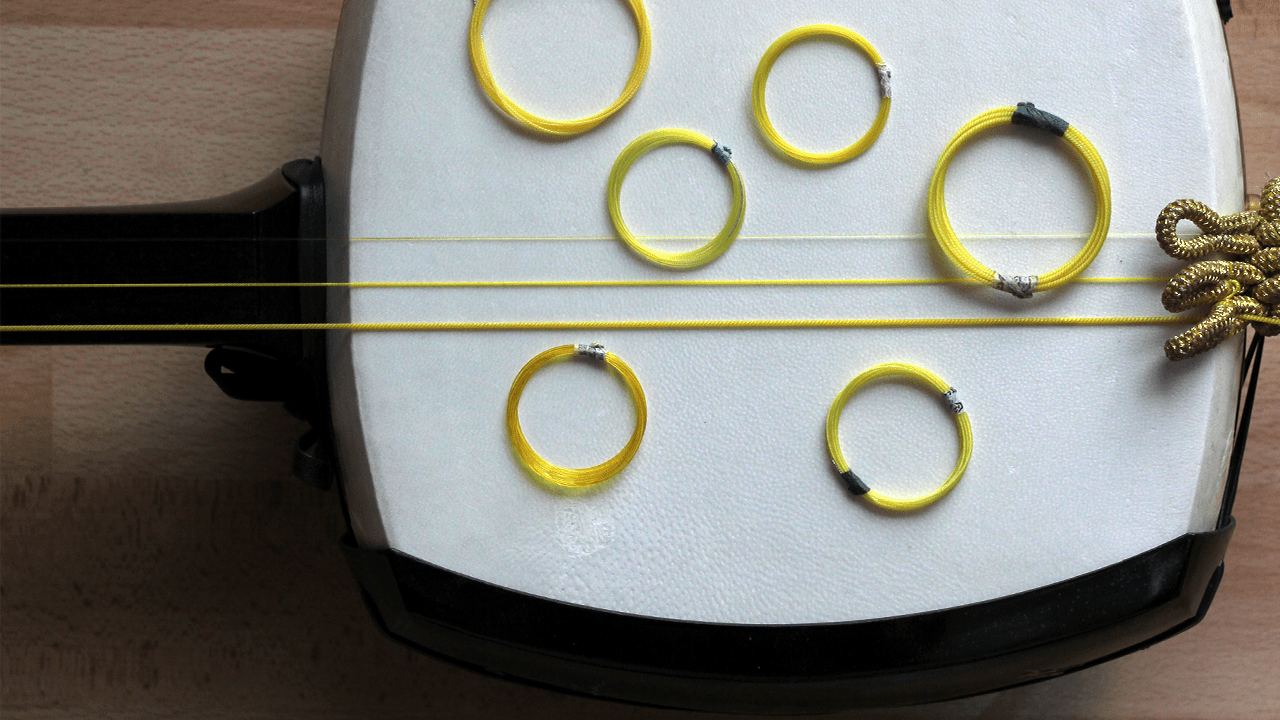
The strings are not evenly spaced.
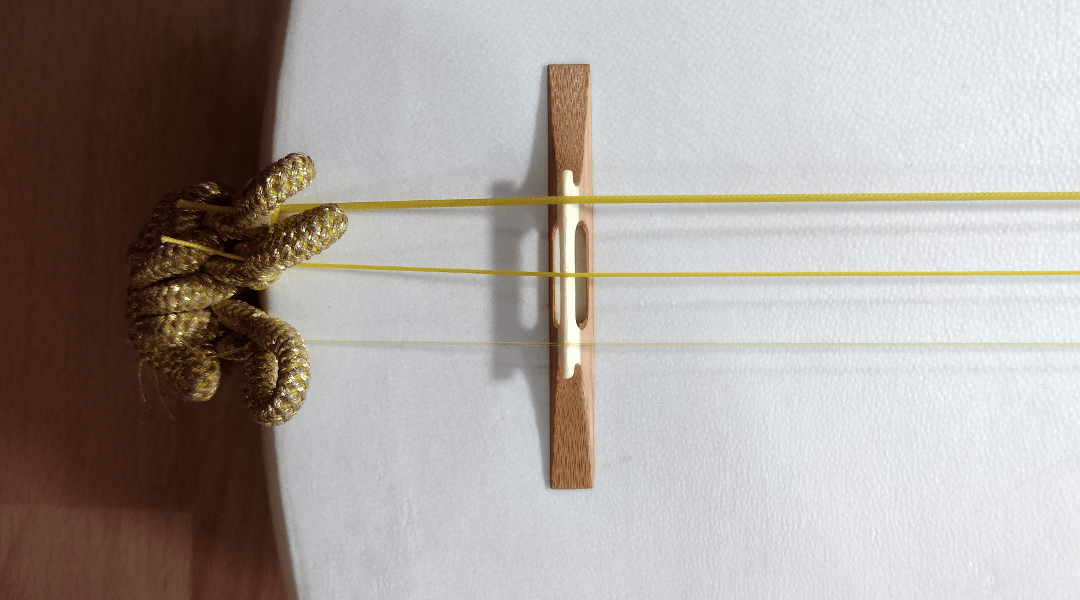
The middle string runs diagonally toward the koma.
2. The Itomaki
When winding the strings on the pegs, aim for straight, evenly spaced turns. The thick string (ichi no ito) should end near the peg box. If it reaches too early, it can bunch on the next turn and push the peg out, causing tuning to slip. This causes tuning to slip and makes it difficult to secure the itomaki. Be patient and work carefully.
If the string is wound properly but ends up in the wrong spot, simply turn the itomaki back slightly—about one turn—and guide the string with your finger to its correct position while tightening. Depending on the string length and available space, this may require crossing the string over itself. Lower the string into place and tighten the itomaki. The string should settle neatly between the existing windings. This may take a few attempts at first.
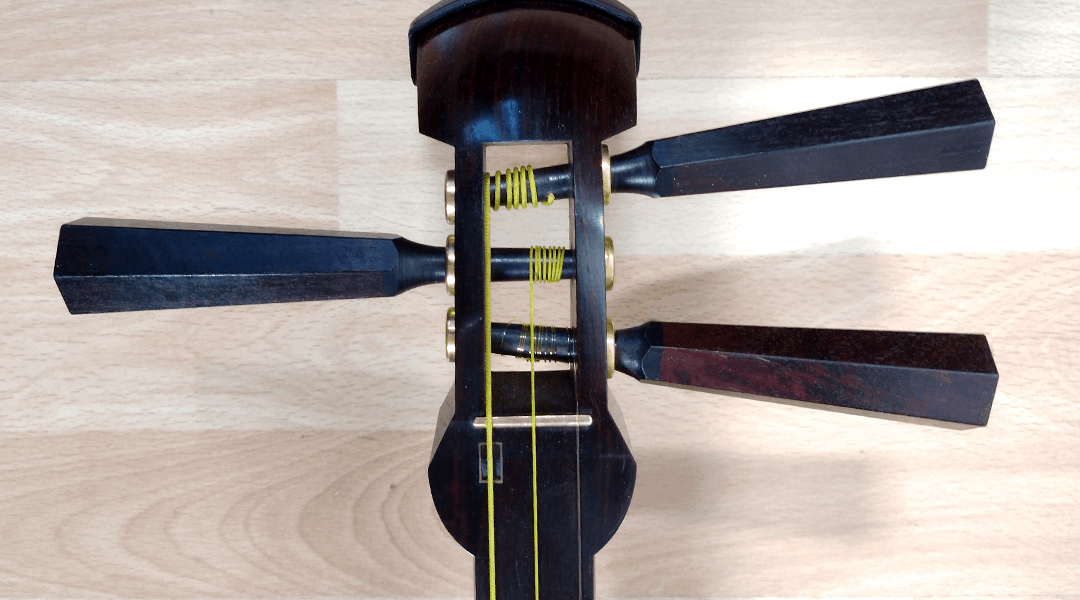
The outer strings should lie close to the peg box.
3. The Koma
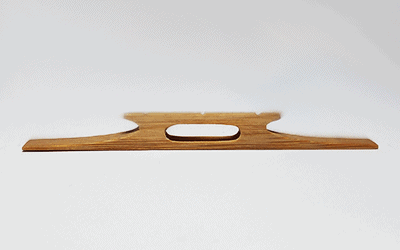
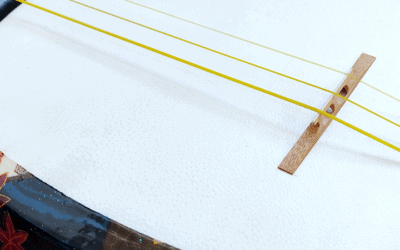
Grooves can also cause problems.
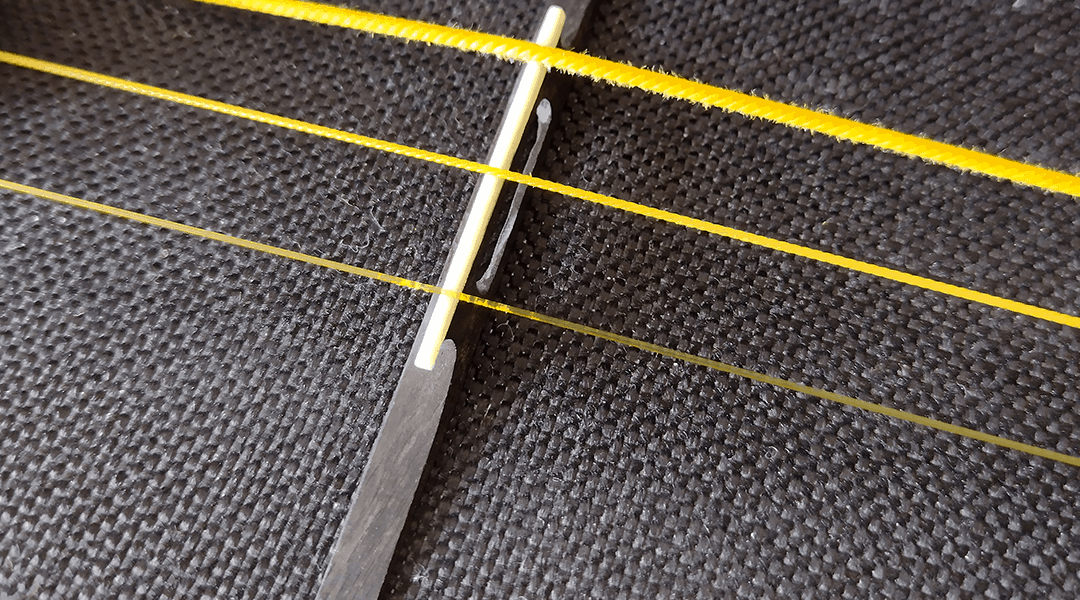
Here, the thin string shows suspicious notches.
4. The Tuning
5. Playing Technique
In my experience, technique makes the biggest difference in string longevity. Whether plucked or struck, aim for minimal, decisive movements. Avoid excessive rubbing with the bachi, which wears down the strings. Beginners often break strings more quickly because their strokes aren’t yet controlled and extra flailing occurs. s. Developing a consistent, smooth, and efficient stroke takes time and practice. With patience and attention, progress will come step by step.
Watch the video here: