Seasonal Challenges
Autumn means humid air, rain, wind, and dropping temperatures—and at home, often dry heating air. Not only the skin of the shamisen reacts to these changes, but also the wood, which tends to expand or contract. To avoid unpleasant surprises, it’s worth knowing in advance what to expect during this season.
Climate Changes
Anyone familiar with the shamisen knows that excessive humidity is harmful—but so is extreme dryness caused by heating. The real issue is sudden changes between dry and humid, warm and cold air.
When moving between environments, give your shamisen time to acclimate.
That means keeping it in its case for a while before taking it out to play. If it’s packed well in a washi cover and a nagabukuro or doubukuro, you can open the case slightly but keep the instrument wrapped.
rain
If you get caught in the rain, try to keep the case out of direct exposure.
Some cases are water-resistant or have rain covers available. If not, a large plastic bag will do. It might not look elegant, but safety outweighs looks.
If you carry your shamisen on your back, cover it from above; if you carry it by hand, a large bag from a blanket or pillow purchase—or even a 30-liter trash bag—can help.
You don’t need a perfectly watertight seal, but the less water hits the case, the better. Always wipe off moisture immediately, and when you get home, open the case to check if the inside is still dry.
Tuning Trouble
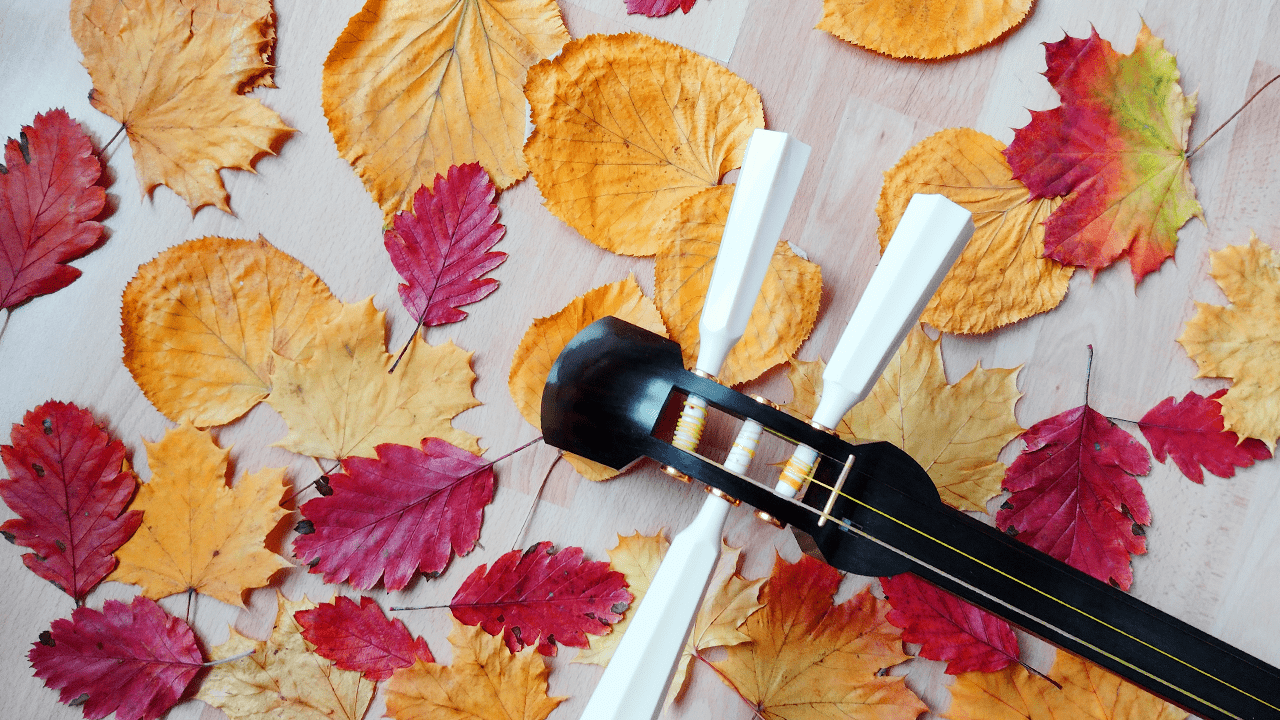
When the weather changes, the shamisen’s wood shifts as well. This can cause the itomaki (tuning pegs) to become either too tight or too loose.
If your shamisen suddenly detunes quickly or the peg won’t hold at all, it’s likely due to the humidity change. The best fix is to use fine sandpaper to refit the peg.
If you prefer not to do that, you may need to wait until the weather stabilizes.
You’ll find a video tutorial on how to refit the peg with sandpaper over here.
Dryness and Heat
So manch einer fängt im Herbst bereits an zu heizen. Genau so wie sehr feuchte Luft, ist auch sehr trockene Luft nicht ideal für die Shamisen. Die Haut zieht sich zusammen, die Spannung erhöht sich, das Material ist nicht mehr so elastisch. Wenn sich dieser Wechsel zu sehr trockener Luft zu schnell vollzieht, ist das Risiko höher, dass die Haut reißt. Deshalb das Instrument möglichst nicht im wärmsten Raum direkt neben der Heizung lagern.
Just like excess moisture, dryness isn’t ideal. The skin contracts, the tension increases, and the material loses elasticity.
If the air becomes dry too quickly, the risk of skin tearing increases.
Avoid storing your shamisen in the warmest room or right next to a radiator.
In general, keep your shamisen away from extremes—heat, cold, and moisture.
Since moving between different environments can’t always be avoided, give your instrument a little extra time to adjust whenever you go from outdoors to indoors or vice versa.
Watch the video here: