
GLOSSARY
The ultimate glossary for shamisen.
A
Ayasugi
綾杉胴 | あやすぎ
Intricate herringbone pattern carving inside the dō (body) to enhance sound.
Azuma Sawari
東さわり | あづまさわり
Part | Adjustable buzzing mechanism for shamisen.
B
Bachi
撥 | ばち
Accessory | Plectrum for playing the shamisen. Depending on the style, the strings are either plucked or struck percussively along with the skin. Size and material vary according to the genre.
Bachi no Ha
Bachigawa
撥皮 | ばちがわ
Accessory |
Small piece of skin or self-adhesive synthetic film used to protect the shamisen’s skin (kawa) from the bachi. Traditionally crescent-shaped and placed under the strings near the edge of the body. On Tsugaru Shamisen, it is rectangular and larger, extending protection toward the center of the skin.
Bachidzuke
バチ付け | バチづけ
Technique | A playing technique where the bachi alternates between maebachi (front stroke) and ushirobachi (back stroke), creating a continuous rhythmic pattern (groove) that adds depth and orientation to the melody.
Bekkō
Bunkafu
Bunraku
文楽 | ぶんらく
Genre | A traditional Japanese puppet theater accompanied by narrative jōruri chanting and shamisen. The shamisen part follows the tayū’s vocal storytelling closely, blending dramatic expression with precise timing to enhance emotional scenes.
Bushi
節 | ぶし
Theory | Component of many shamisen titles, literally meaning “song.” Refers to a piece characterized by a distinctive melodic figure or phrase that can be sung or played. Appears in both folk music (minyō) and classical traditions. Bushi emphasizes ornamentation, recurring motifs, and melodic structure. Unlike “uta”, the term does not imply that the vocal part is dominant; rather, the focus is on the melody or musical motif itself.
C
Chirichiri
ちりちり
Technique | Ornamental melodic figure. A rolling, continuous alternation of a few notes that creates a shimmering sound texture.
Chiritara
ちりたら
Technik | Synonym: Tsuretara. Onomatopoetic term for a characteristic rhythmic-melodic pattern in Tsugaru Shamisen. The classical form is 4300, played as 43ハ0ス0ハ. When repeated frequently, this pattern becomes a hypnotic rolling sound carpet—heard in every Jongara Bushi!
D
Danchigai Mizo
段違溝 | だんちぎみぞ
Parts | Stepped groove joint for nihon mizo joints. Most advanced groove joint, with offset steps that lock neck pieces precisely. Complex to craft but highly durable and stable. Favored in professional instruments. The more simple kind is called hira mizo.
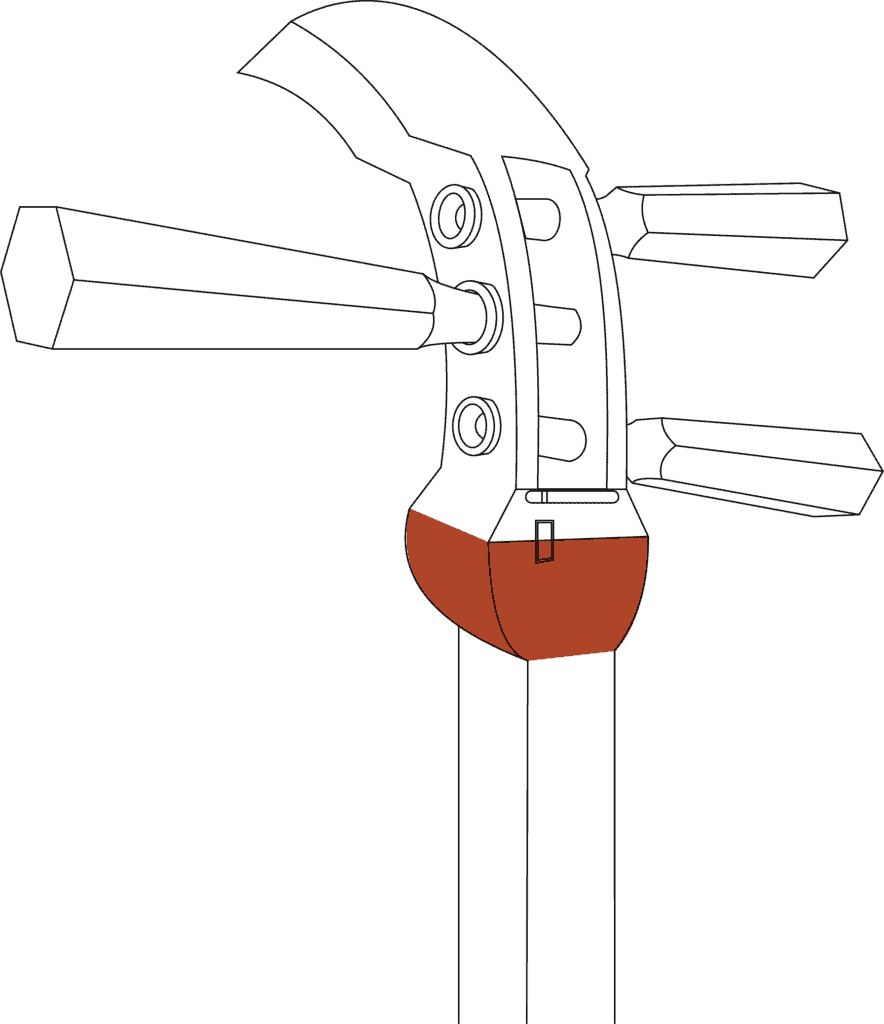
Dō
胴 | どう
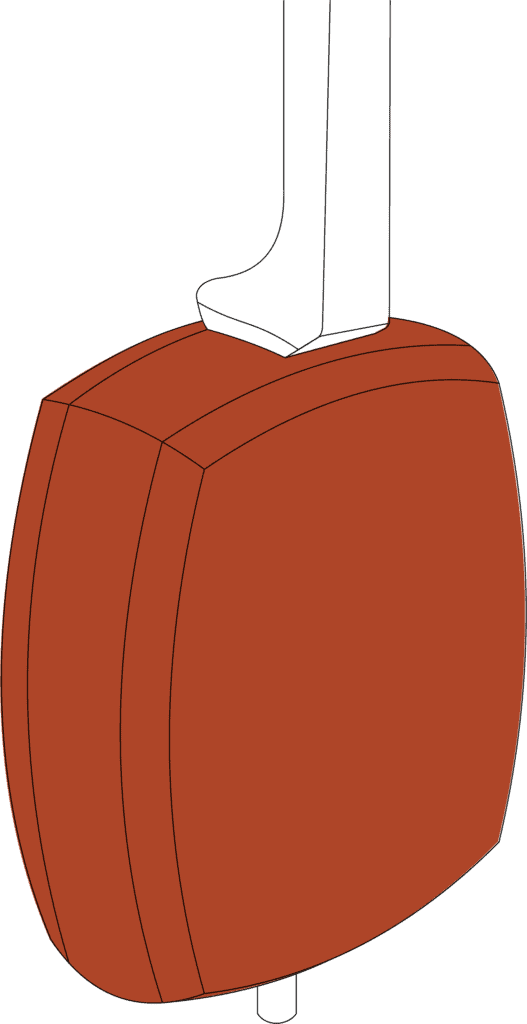
Dōgomu
胴ゴム | どうゴム
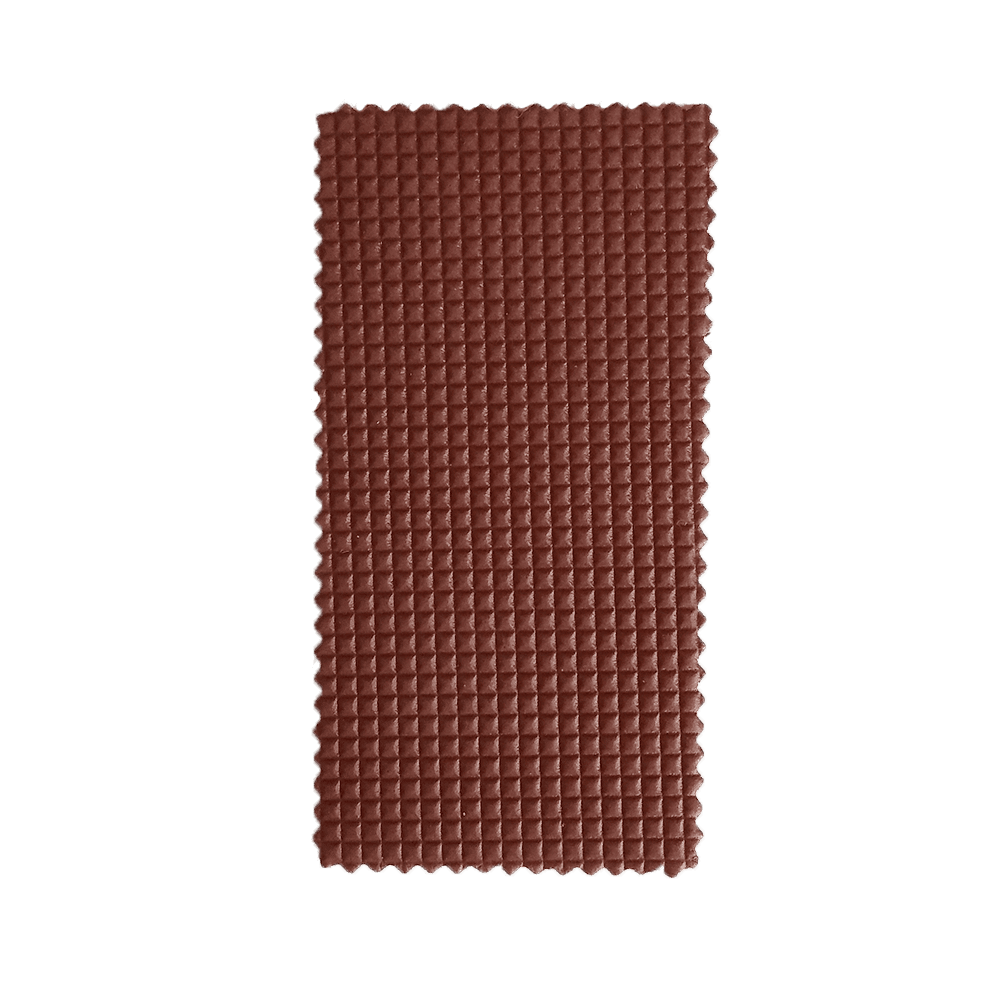
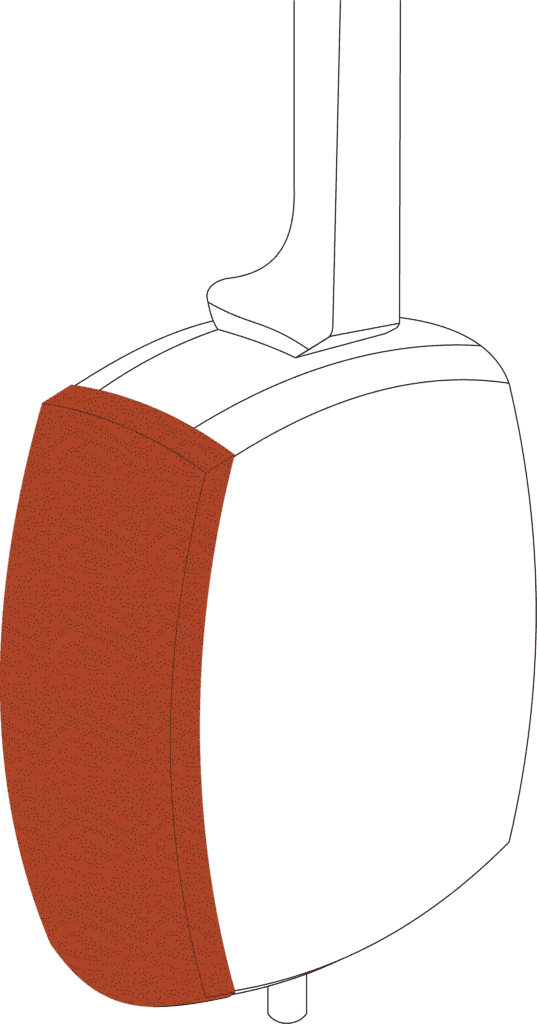
Dōkake
胴掛け | どうかけ
E
Ebio
蝦尾 | えびお
En Sawari
円さわり | えんさわり
F
Fujaku
ふじゃく | 譜尺
Futozao
太棹 | ふとざお
G
Gidayū
義太夫 | ぎだゆう
Gin-Hozo
銀ほぞ | ぎんほぞ
Gen
Godai Minyō
五大民謡 | ごだいみんよう
Gottan
ごったん
H
Hajiki
Hakamagoshi
Han-Hozo
半ほぞ | はんほぞ
Hatomune
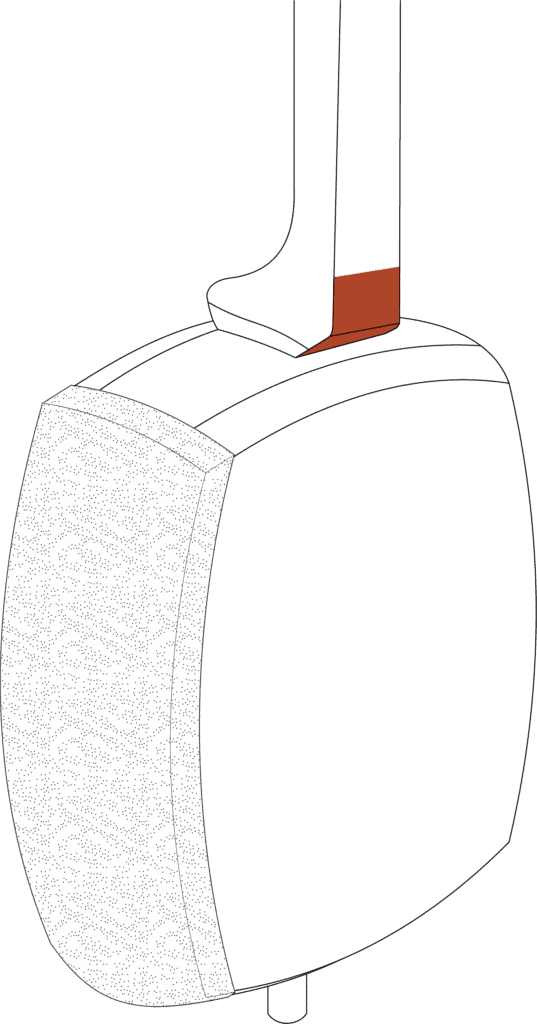
鳩胸 | はとむね
Hauta
端唄 | はうた
Hira Mizo
端唄 | はうた
Hizagomu
膝ゴム | ひざごむ
Honchōshi
I
Ichi no Ito
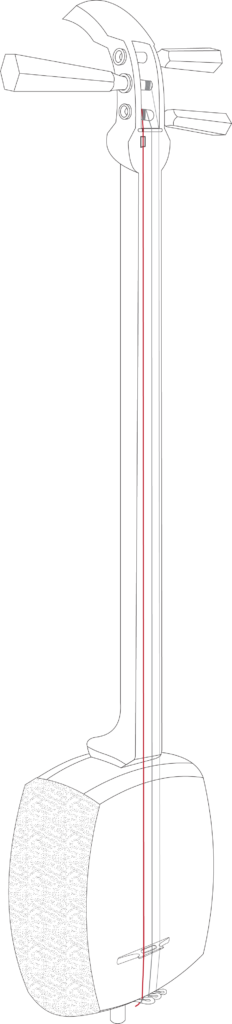
一の糸 | いちのいと
Ippon Mizo
一本溝 | いっぽんみぞ
Ito
糸 | いと
Itogura
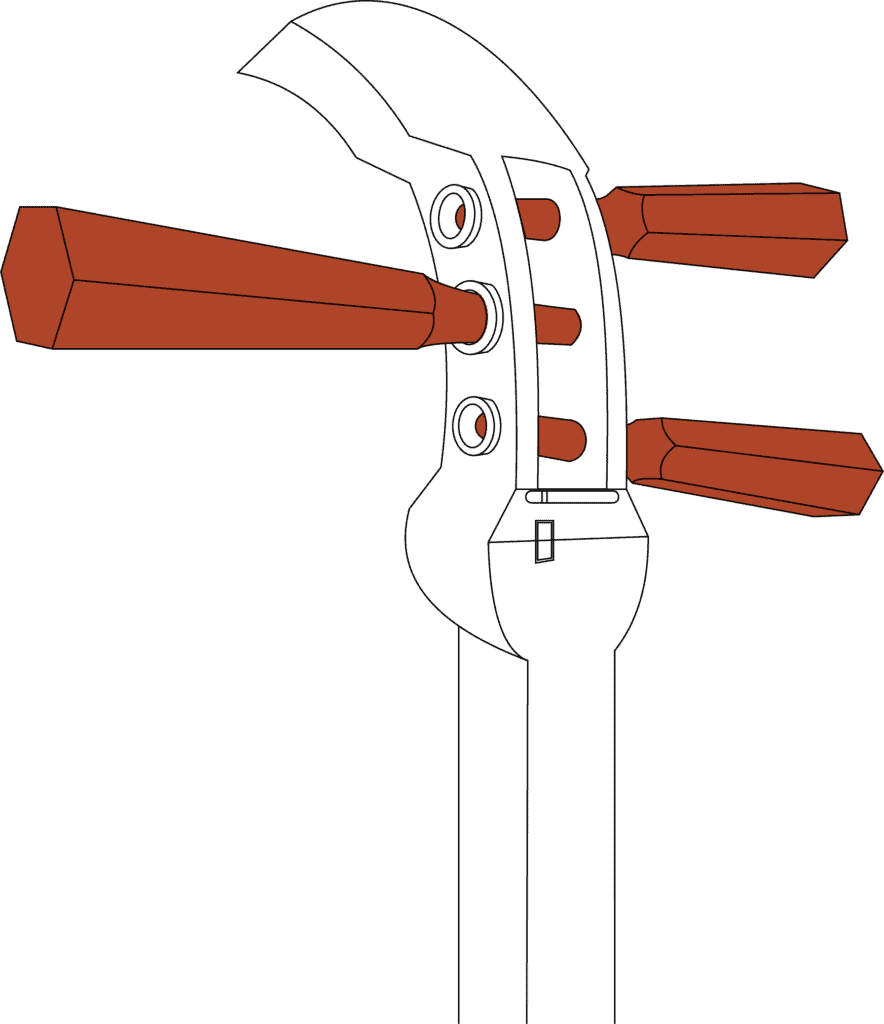
糸倉 | いとぐら
Itomaki
糸巻き | いとまき
Itomichi
糸道 | いとみち
J
Jiuta
地唄 | じうた
Jōruri
地唄 | じうた
K
Kaku-Ana
Kamashi
かまし
Kamigoma
上駒 | かみごま
Kamizao
Karitsugi
仮継 | かりつぎ
Kawa
皮 | かわ

Keshi
Kin-Hozo
金ほぞ | きんほぞ
Kiyomoto
清元 | きよもと
Kō
kōki
紅木 | こうき
koma
駒 | こま

Komagake
駒掛け| こまがけ
Koma-Ire
駒入れ | こまいれ
Kouta
小唄 | こうた
Kyōjaku
強弱 | きょうじゃく
M
Maebachi
前バチ | まえばち
Maru-Ana
丸穴 | まるあな
Mawashi
回し | まわし
Mijikate
Minyō
民謡 | みんよう
N
nagabukuro
長袋 | ながぶくろ
Nagate
Nagauta
長唄 | ながうた
Nakago
Nakagosaki
Nakazao
中棹 | なかざお
Nejime
Neo
音緒 | ねお

Neo Bekkō
Nezumi
音澄み | ねずみばち
Ni no Ito
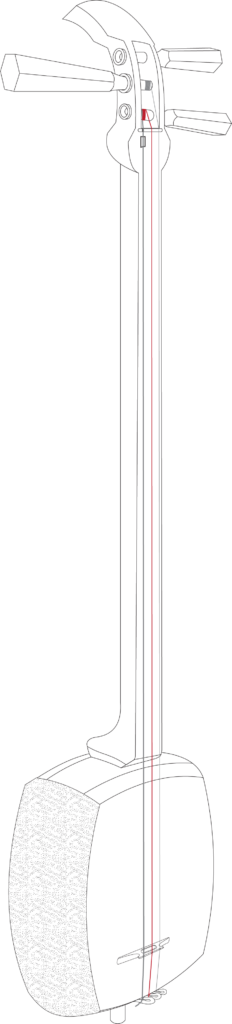
二の糸 | にのいと
Niagari
二上り | にあがり
Nihon Mizo
二本溝 | にほんみぞ
O
Omotegawa
表皮 | おもてがわ
Oshibachi
押しバチ | おしばち
S
San no Ito
表皮 | おもてがわ
Sankyoku
三曲 | さんきょく
Genre | Literally “three pieces.” Refers to instrumental ensemble music for koto, shakuhachi, and shamisen, developed during the Edo period. Known for its elegant chamber style and intricate interplay between instruments, often performed in salons or by geisha.
Shinnai
新内 | しんない
Genre | Narrative shamisen genre that emerged in mid-18th century Edo (modern Tokyo), founded by the blind musician Tsuruga Shinnai II. The genre combines vocal storytelling with shamisen accompaniment, typically performed solo or with minimal instrumental support, focusing on tragic tales of lovers and psychological drama for intimate audiences. The songs are characterized by fluid phrasing, subtle ornamentation, and restrained bachi techniques that prioritize the narrative over flashy instrumental display. The style is typically played on chūzao and hosozao sized shamisen.
Suberi
滑り | すべり
Technique | Sign in the notation: ⎡ or ⎦ – literally “glide”, synonym to oshibachi.
Using this technique, two adjacent strings (ito) are played in sequence with the bachi. The bachi strikes the first string, remains in its lowest position on the skin after the strike, and then the thumb presses the next string to sound it. The two notes played with this technique are marked with a right-angled hook above or below the notes.
Check out this short video demonstration from different angles.
Sukui
スクイ
Technique | Notation symbol: ス – literally “scooping”
With this technique, the string is struck with the bachi rom below, i.e. on the upward return movement. It is therefore also referred to as an upstroke. With the preceding stroke, the bachi is brought down to the shamisen skin and held there until it is time to play the note executed with sukui.
Check out this short video demonstration with two different movement approaches.
Suri
摺り | すり
Technique | Notation symbol: horizontal curve and sometimes the katakana addition [ スリ ] – not to be confused with sukui [ ス ]. Literally “slide.”
Is considered a sao hand technique but is really just the sound of two notes connecting through a shift without striking the string anew with the bachi. It sounds like a gliding note, but there’s no particular technique involved other than not hitting the string. The effect is elegant and great for adding some dramatic flair. The effect is elegant and great for adding some dramatic flair.
T
Tataki
叩き | たたき
Technique | Fundamental striking technique in which the bachi is struck rapidly through the strings down to the skin of the body (dō). This produces a percussive, snapping sound in addition to the melodic tone. Particularly characteristic of Tsugaru Shamisen, where tataki underscores the driving, energetic character of the music. With tataki, the strongest possible sound on the shamisen is achieved.
Tenjin
天神 | てんじん

Tochi
トチ
Material | In shamisen-making, the term tochi refers to wood with particularly beautiful and complex figuring—naturally swirling, fiery patterns that create impressive visual effects. Because of this natural beauty and rarity, tochi is highly prized by craftsmen and collectors.
Tokiwazu
常磐津 | ときわず
Genre | Narrative shamisen music for Bunraku and Kabuki. Combines singing, storytelling, and shamisen accompaniment. Integrates dramatic narration with musicality, often in long scenes.
Tsubo
壺 | つぼ
Theory | Pitch position on the shamisen neck (sao). In bunkafu notation, those positions are represented by numbers. Players memorize tsubo placements through ear training and muscle memory, as the shamisen lacks frets or other markers. It’s common to mark positions with stickers or a fujaku strip when you are a beginner.
Tsugaru Shamisen
津軽三味線 | つがるしゃみせん
Genre | Virtuoso shamisen genre from Aomori in northern Japan. Originated in the late 19th century with blind traveling musicians (bosama) and developed into a highly improvisatory style, characterized by fast tempos, percussive playing, and dramatic dynamic shifts. Played in folk, solo, and cross-genre contexts. Tsugaru Shamisen is typically performed on instruments with a wide neck (futozao), using a small bachi and low koma.
Tsuretara
つれたら
Technik | Synonym: Chiritara. Onomatopoetic term for a characteristic rhythmic-melodic pattern in Tsugaru Shamisen. The classical form is 4300, played as 43ハ0ス0ハ. When repeated frequently, this pattern becomes a hypnotic rolling sound carpet—heard in every Jongara Bushi!
U
Uchi
打ち | うち
Technique | Sign in the notation: katakana for “U” [ ウ ] underneath the position; literally: strike.
Shamisen technique of the sao hand, also called “hammer-on” (like on a guitar). The sound is produced without the bachi. The finger is pressed forcefully and decisively onto the indicated note after the previous note has already been set in vibration. The note played with Uchi is always higher than the previous note and on the same string. The sound is quieter than with other techniques.
Watch a detailed video on Patreon.
Uragawa

Ushirobachi
Uta
唄 | うた
Theory | Part of many shamisen titles, meaning “song.” General term for a piece where the vocal melody is central and the shamisen provides accompaniment. Appears in both classical (Jiuta, Nagauta) and folk (Minyō) contexts. The term signals that the voice leads the musical expression and has the primary focus, even if the shamisen part is elaborate.
Y
Yubikake
指掛け | ゆびかけ
yubisuri
指すり | ゆびすり
Yuri
揺り | ゆり
Technique | Vibrato. Not indicated in the notation.
Expressive sao hand technique where the finger holding the string slides back and forth by moving the whole hand, causing a fluctuation in pitch. Yuri adds expressive warmth and emotional depth and helps sustain notes.
Z
Zagane
鉄金 | ざがね
Parts | Metal fitting in the holes holding the itomaki (tuning pegs) in the itogura (pegbox) of the tenjin (head). The purpose is to prevent wear from the friction between itomaki and the holes they sit in. Often shaped like flowers for hosozao shamisen. Plain design is standard for chūzao and futozao shamisen.

Zengobachi
前後撥 | ぜんごばち
Technique | Not indicated in the notation.
A combined bachi striking pattern alternating maebachi and backward ushirobachi strokes. The name literally means “front-and-back bachi”. This technique is fundamental to creating continuous rhythmic drive in Tsugaru Shamisen.
Zōge
象牙 | ぞうげ
Material |
Ivory, historically used for crafting shamisen parts such as the koma (bridge) or bachi (plectrum). Praised for its smooth texture and resonant qualities, ivory was once considered a premium material. Today, due to ethical and legal restrictions, it is largely replaced by synthetic or alternative natural materials that aim to replicate its tonal characteristics without environmental or conservation concerns. An organic alternative is mammoth ivory.