Anyone who’s ever forgotten their yubisuri while playing shamisen knows that it’s just not the same without it. Yubisuri can be made in various ways, and this simple elastic-band version is perfect for those who usually shy away from crafts.
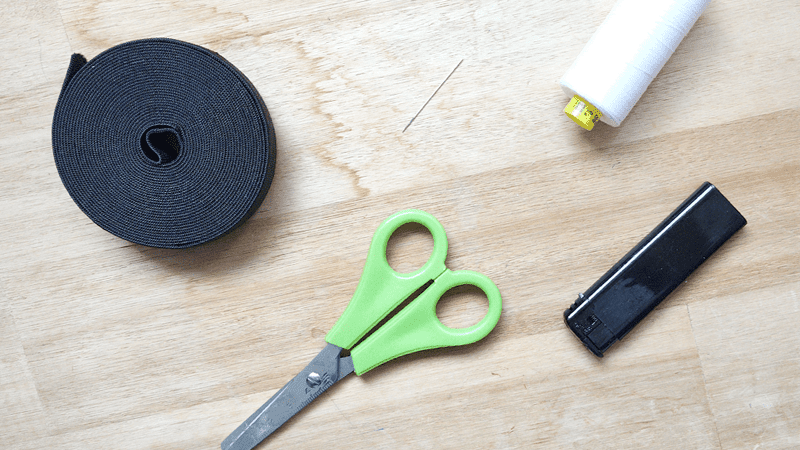

Anyone who’s ever forgotten their yubisuri while playing shamisen knows that it’s just not the same without it. Yubisuri can be made in various ways, and this simple elastic-band version is perfect for those who usually shy away from crafts.
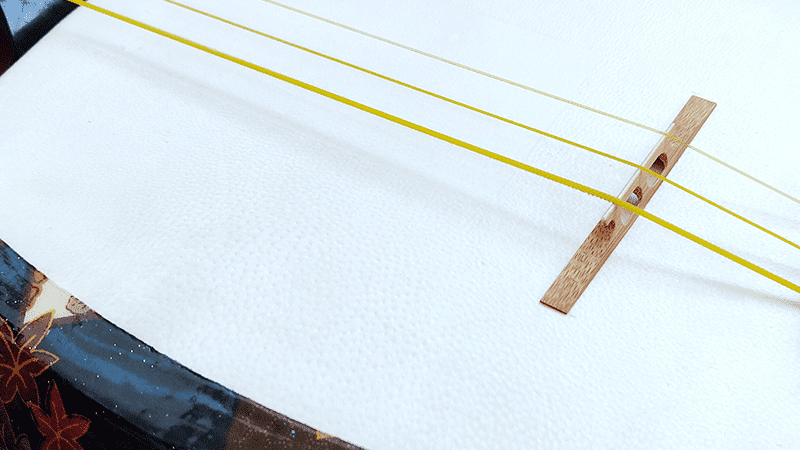
Chōshiawase is a fascinating feature of Tsugaru Shamisen performance: tuning the instrument right before a piece begins, and making that process part of the performance itself. There are rules, but also freedoms, and if you want to give it a try yourself, it’s good to know both.
If you play shamisen music with sheet music and don’t play and learn by ear as much, you should take your time and take a closer look at hazunde rhythm. Hazunde is a staggered rhythm that many folk songs are based on. But you can’t simply read it in the notation.
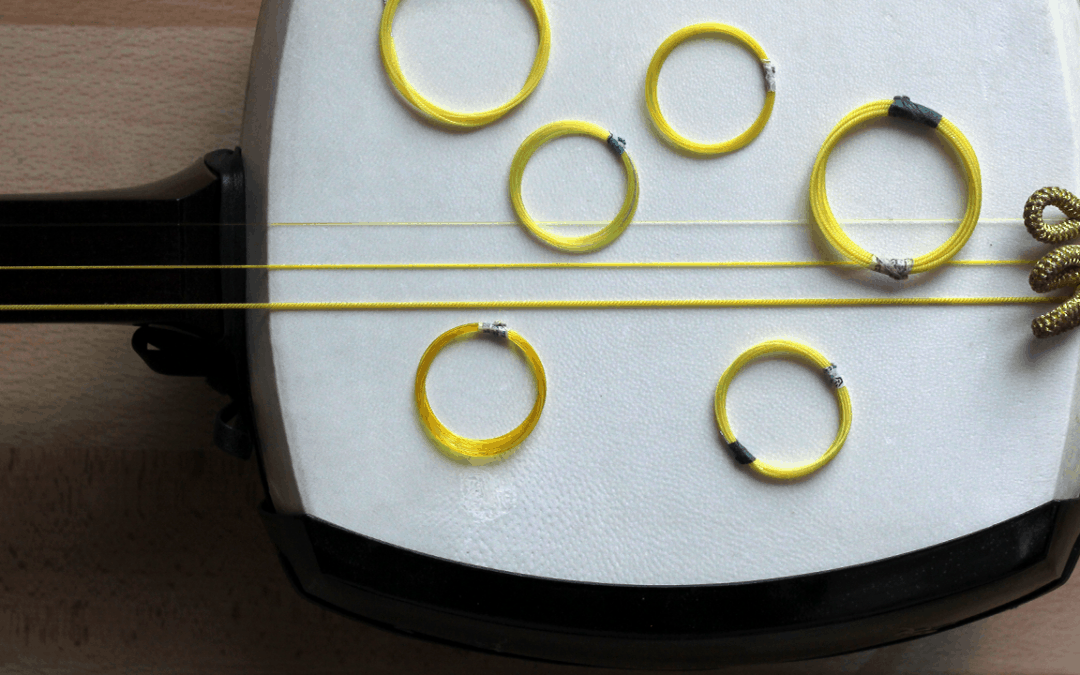
Many beginners feel like their strings break constantly. What initially brings pride can quickly turn into frustration. Does it really have to be that way? There are several factors that can shorten a string’s lifespan. If you want to avoid unnecessary string wear and save yourself from constantly restringing and breaking in new strings, there are a few things to keep in mind.
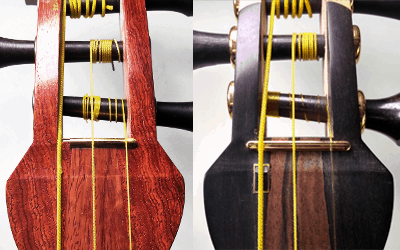
The sawari is the shamisen’s characteristic buzzing sound, which makes the music of this instrument especially fascinating. There are two different mechanisms that produce it — they look quite different at first, but both are based on the same principle. So what exactly is behind this mysterious buzzing and humming?

