If you’re ever in a hurry or on a tight budget, you can upcycle a Shinobikoma in no time. Here are two quick and effective versions you can make yourself.
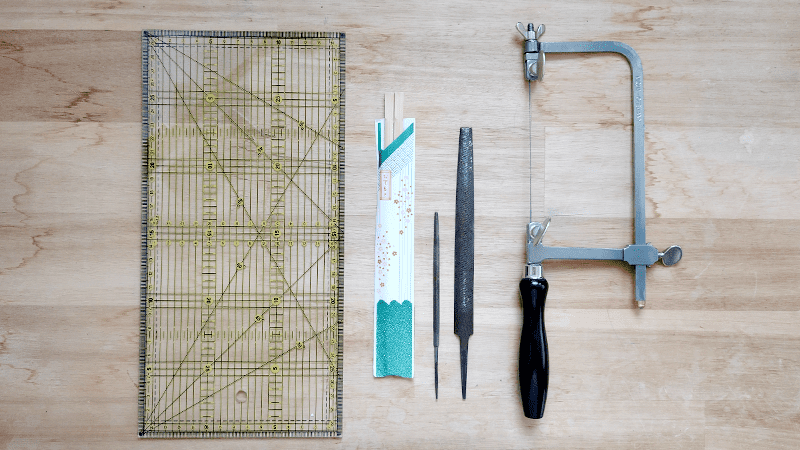

If you’re ever in a hurry or on a tight budget, you can upcycle a Shinobikoma in no time. Here are two quick and effective versions you can make yourself.
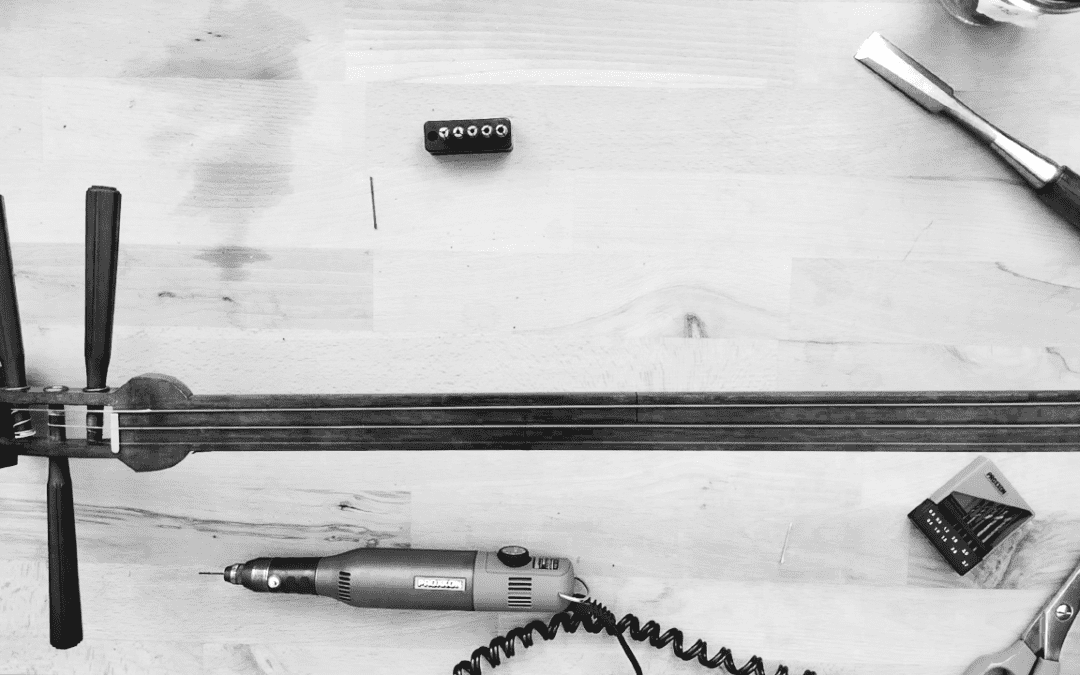
Left-handed people face many challenges in our right-hand-dominated world. So, can a shamisen be converted for left-handed use? I’m happy to report that most shamisen can be easily adapted for left-handed playing. Here’s how you can do it at home.

If you prefer to always have your shamisen close at hand, you should consider getting a stand. I’ve tested various alternatives and have a definitive recommendation for you.
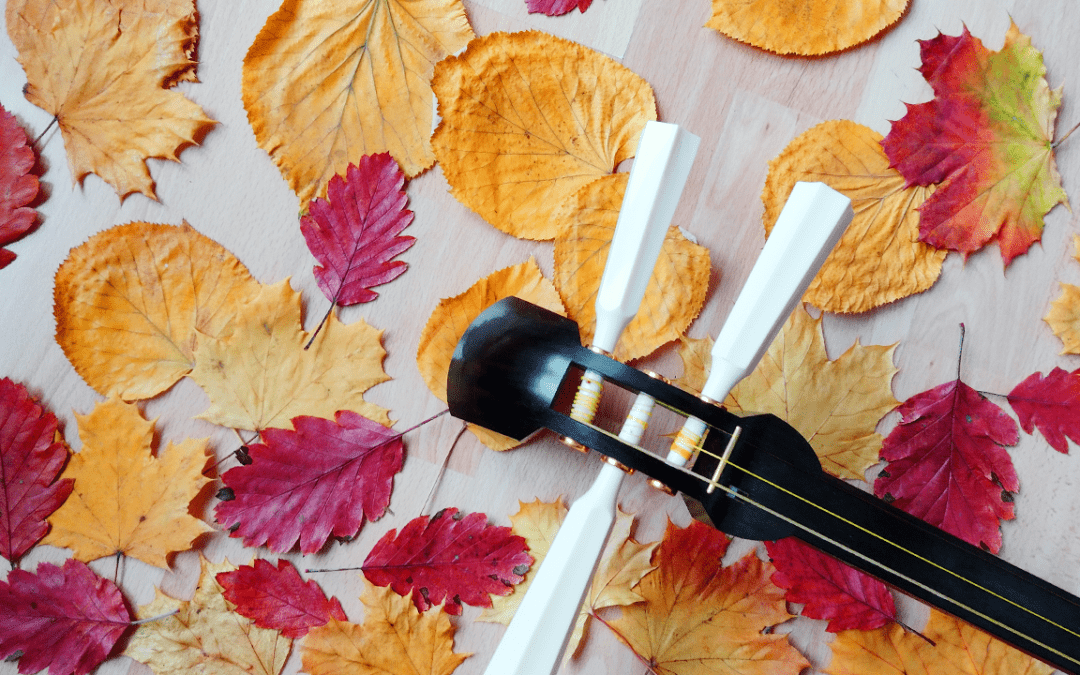
Autumn brings specific challenges for the shamisen that every player should be aware of to protect and care for their instrument properly. How to deal with humidity, cold, and dry indoor air?
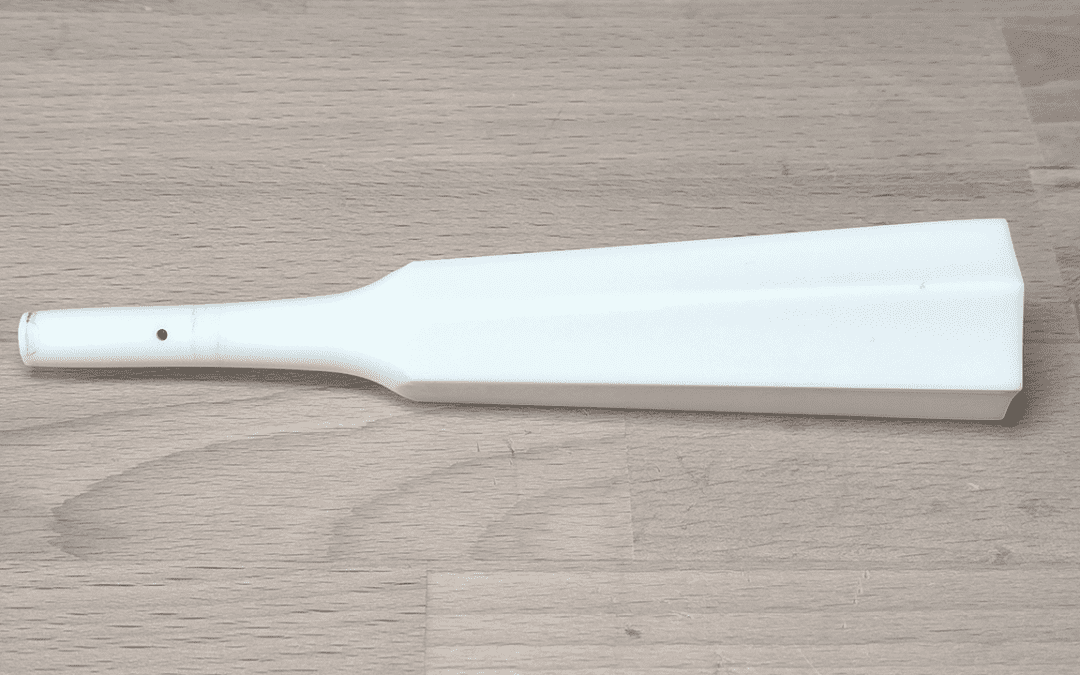
Nobody likes squeaky tuning pegs. Acrylic itomaki are especially notorious for this. If your shamisen has this problem, keep reading — it’s very easy to fix it yourself.
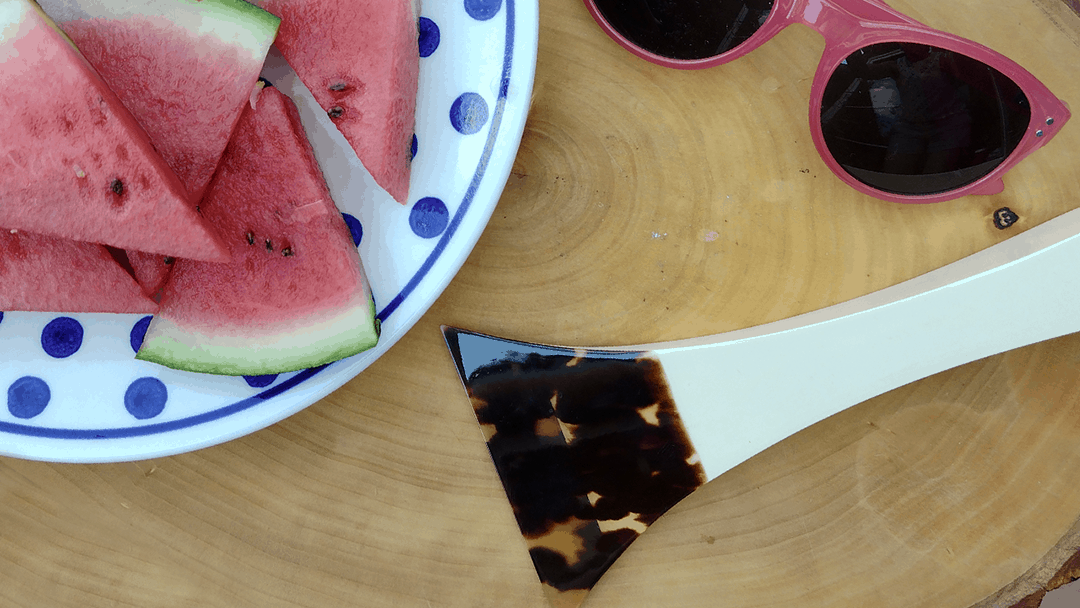
Great weather, great mood — what could go wrong? To keep your shamisen safe during the hot season, there are a few things to watch out for. Summer brings heat and humidity — two factors that can quietly harm your instrument if left unchecked.
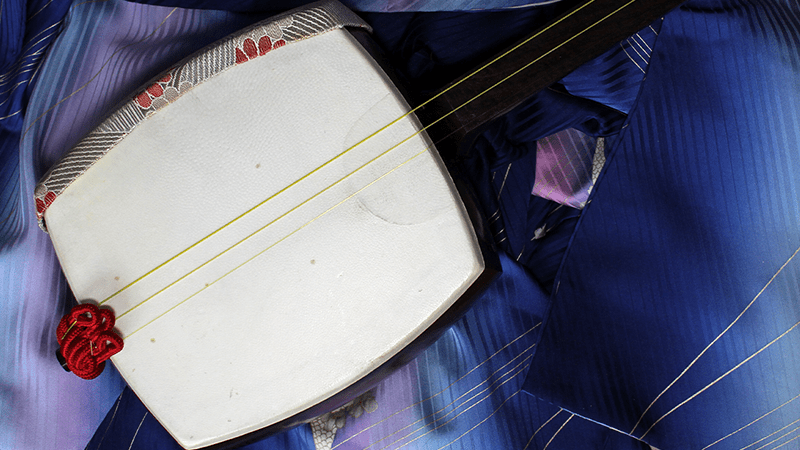
No matter what you’re wearing – casual, formal, or traditional kimono – slippery fabrics can make your shamisen slide while playing. A simple trick lets you hold your instrument steady and play with ease.
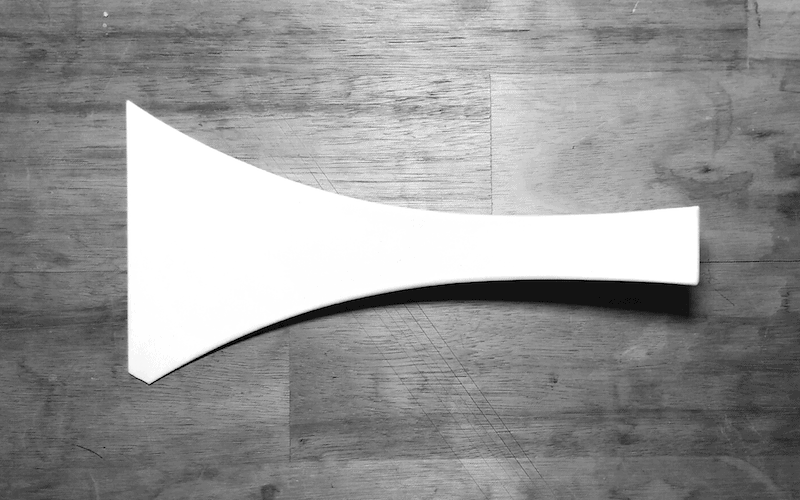
No matter how carefully you try to avoid it, you might drop your bachi or it falls off your desk. In the best case, you just get a scare, but often a corner breaks off. It needs to be repaired, but fortunately, it’s quite easy.
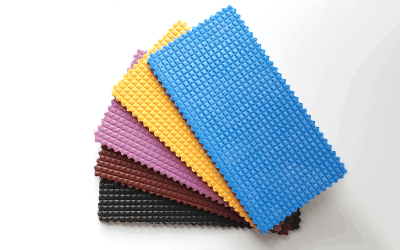
Positioning and balancing the shamisen correctly on your thigh is rarely easy at first. A simple solution is a non-slip mat. I’ll show you how to place the professional mats most effectively and how to make one yourself at home.

