Autumn brings specific challenges for the shamisen that every player should be aware of to protect and care for their instrument properly. How to deal with humidity, cold, and dry indoor air?
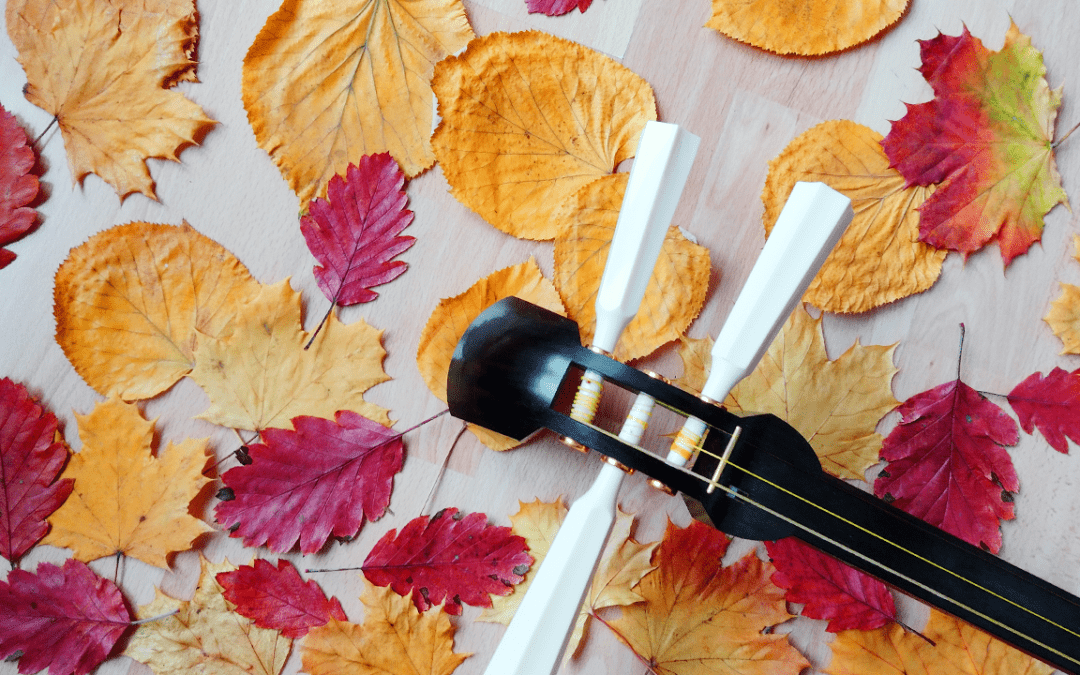
Autumn brings specific challenges for the shamisen that every player should be aware of to protect and care for their instrument properly. How to deal with humidity, cold, and dry indoor air?
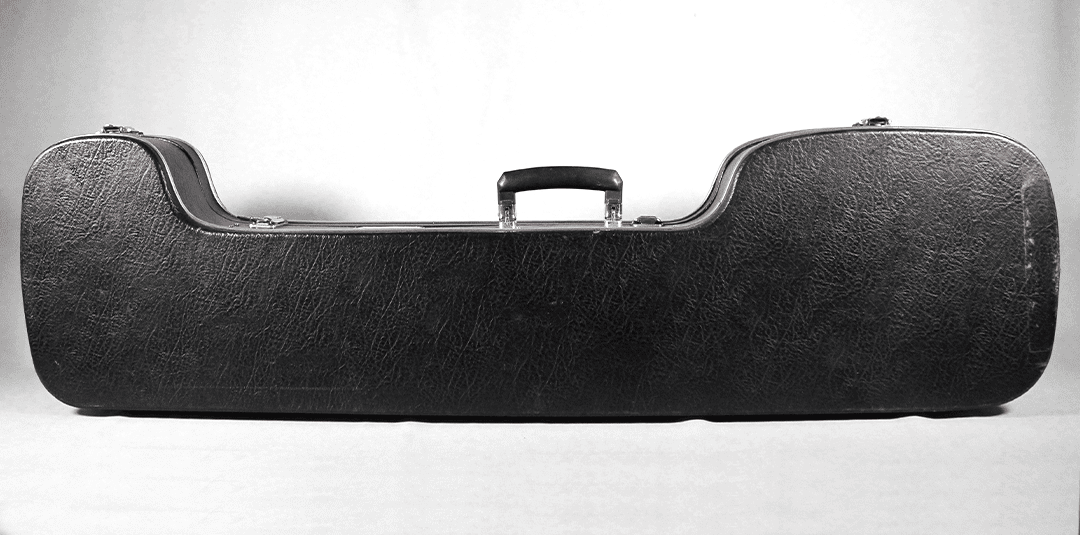
If you want your instrument to last a long time, proper storage is essential. There are several ways to keep your shamisen safe and conveniently stored when you’re not playing. Even if you have little space, you can find a good spot for your instrument.
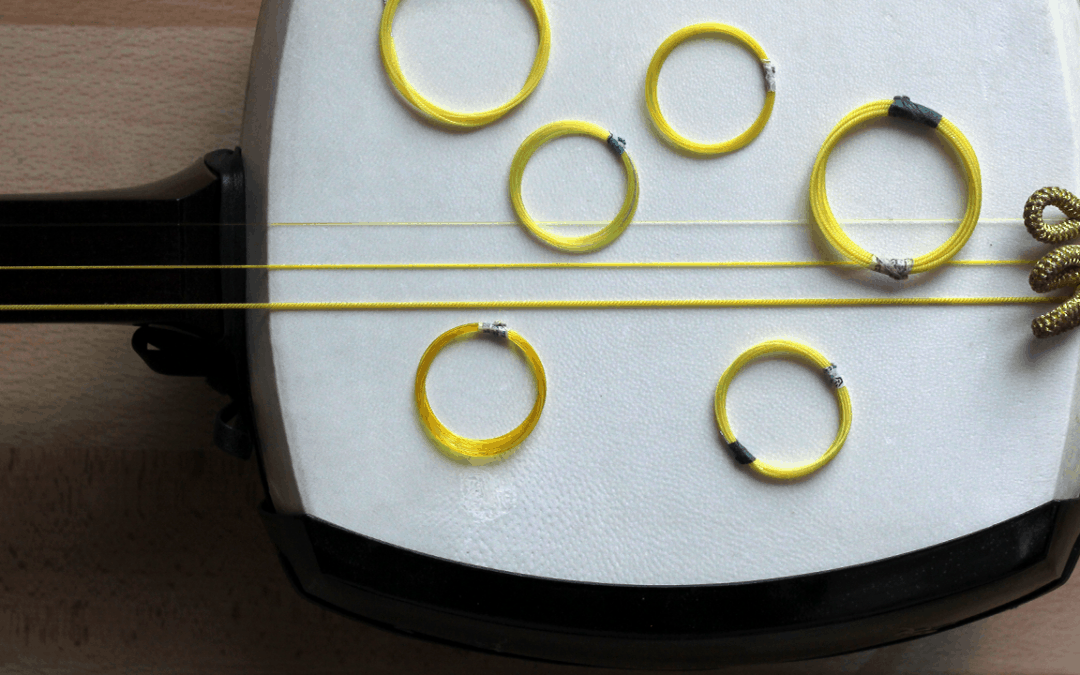
Many beginners feel like their strings break constantly. What initially brings pride can quickly turn into frustration. Does it really have to be that way? There are several factors that can shorten a string’s lifespan. If you want to avoid unnecessary string wear and save yourself from constantly restringing and breaking in new strings, there are a few things to keep in mind.
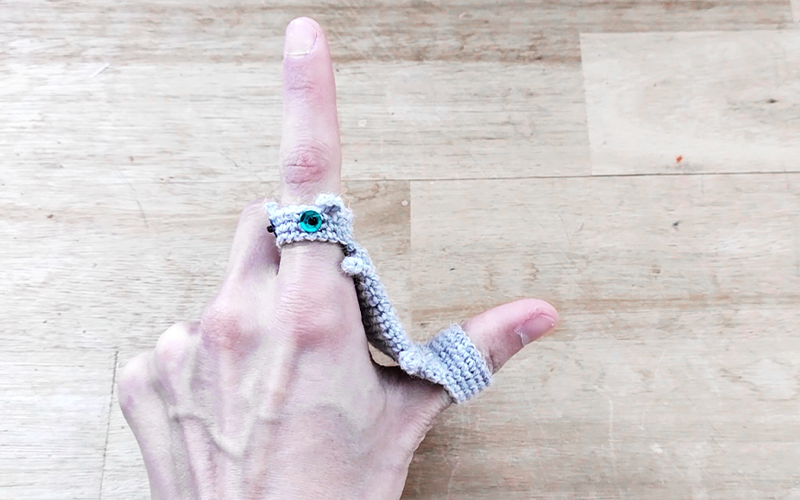
What is the yubisuri for, and how do you wear this little accessory correctly? The yubisuri is a very practical companion that rightly has a permanent place in every shamisen player’s case. You can read here about the differences between the various models and how to find the right size.
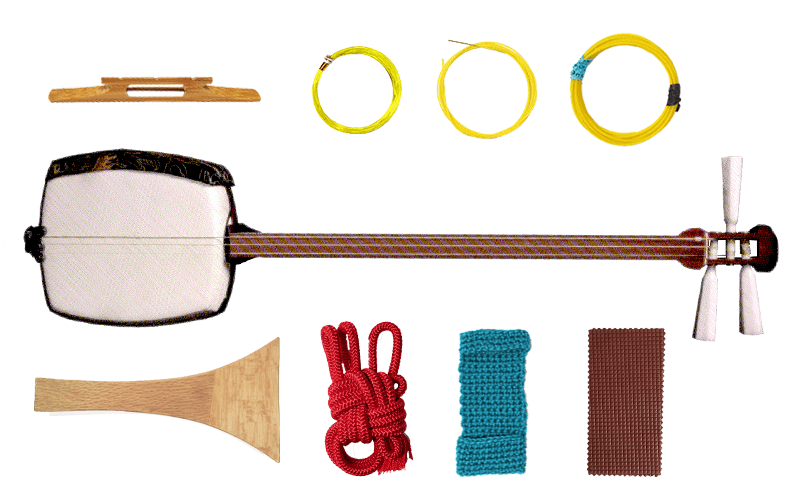
A complete shamisen starter set can be kept quite minimal in the beginning. You don’t need much to start playing songs on the instrument. However, to keep your shamisen in good condition, it needs proper care and storage. Here, I introduce several levels of equipment, starting with the minimal set, which can and should be gradually expanded.
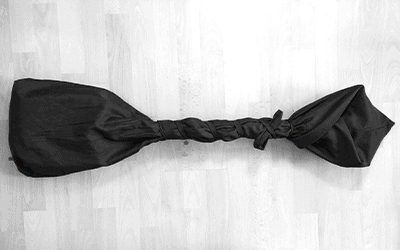
An accessory that is often used (slightly) incorrectly is the nagabukuro. This simply cut, rectangular, soft case protects the instrument from dust, dirt, curious paws, and small loose items forgotten in the case. Many players don’t give much thought to its use and make easily avoidable mistakes when putting it on.
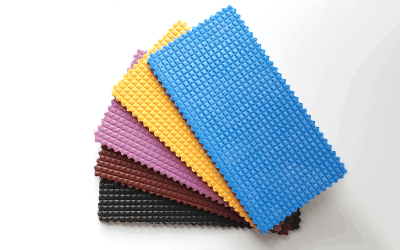
Positioning and balancing the shamisen correctly on your thigh is rarely easy at first. A simple solution is a non-slip mat. I’ll show you how to place the professional mats most effectively and how to make one yourself at home.
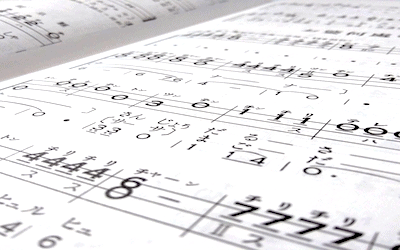
Bunkafu notation is the tablature system used for shamisen music. It’s very visual, which makes it quick and easy to learn. This overview explains how to read the notation and what the interesting special symbols mean.
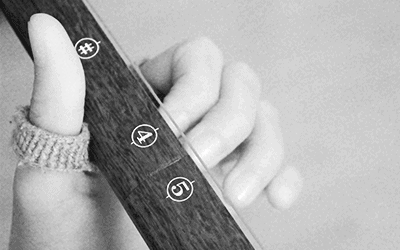
Anyone playing with Bunkafu notation (tablature for shamisen) faces the big challenge of assigning specific sounds — and thus specific positions on the shamisen neck — to the numbers on the page.
While learning by ear was the original method, nowadays almost every beginner sticks dots on their neck to navigate more easily.
You can mark the positions individually or use a handy Fujaku strip.
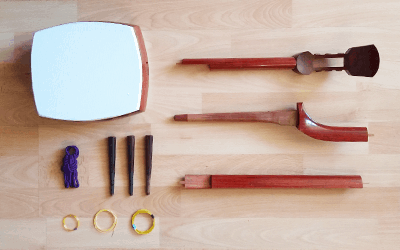
Most shamisen are delivered disassembled. For many beginner players, the first challenge is putting the instrument together correctly. This article explains how to get it right on your first try.
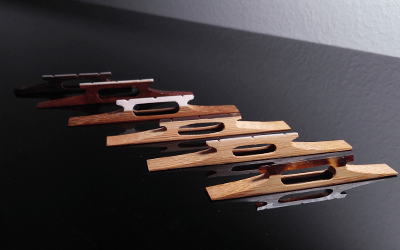
Despite its small size, the koma plays a big role in playing. Read here to learn how the koma affects tone and feel.
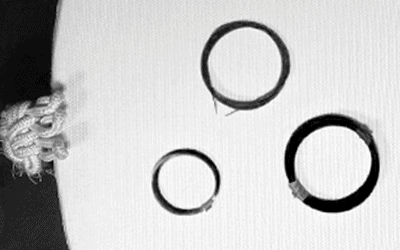
Learn how to quickly and elegantly attach new strings on your shamisen and discover tips for each individual string.
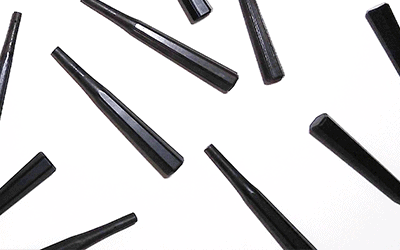
Slipping pegs? Frustrated with unstable tuning or weak grip? Here are the best tricks to quickly tune your strings and keep them stable.

