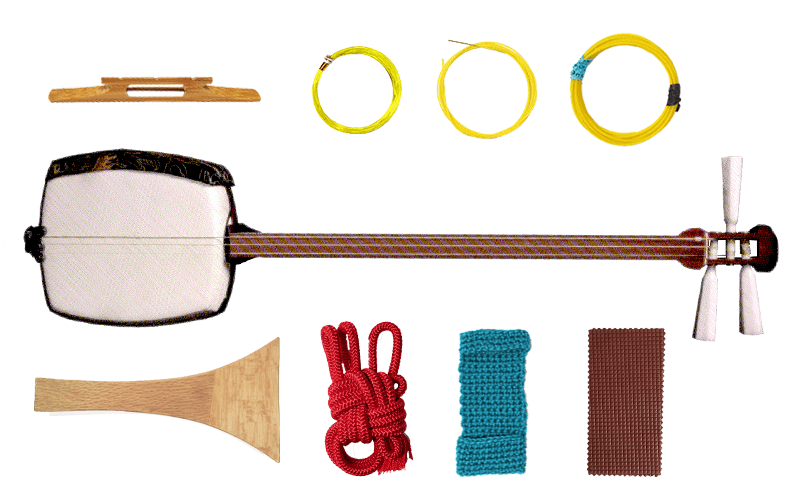
The Beginner’s Set: What You Need to Play Shamisen

Starter-Set Shamisen | shamisen-zentrale.de
b
A complete shamisen starter set can be kept quite minimal in the beginning. You don’t need much to start playing songs on the instrument. However, to keep your shamisen in good condition, it needs proper care and storage. Here, I introduce several levels of equipment, starting with the minimal set, which can and should be gradually expanded.
When buying an instrument, one normally assumes that one automatically has everything needed. Unfortunately, especially with shamisen, this is often not the case, and non-playable packages are sold without informing the enthusiastic shamisen buyer about the gaps. Since some sellers simply have no idea about what they are actually offering, it is – as always – best if you yourself know what you want and need. I wrote this article precisely for this purpose. So learn here what a shamisen set should contain at minimum, and which options make sense next.

The Minimal Set

A complete Shamisen starter set can be kept very minimal at the beginning. To play songs on the instrument, little is needed. However, if the Shamisen is to remain beautiful, it must be maintained and stored properly. I present here various levels, starting with the minimal set, which can then be gradually supplemented.
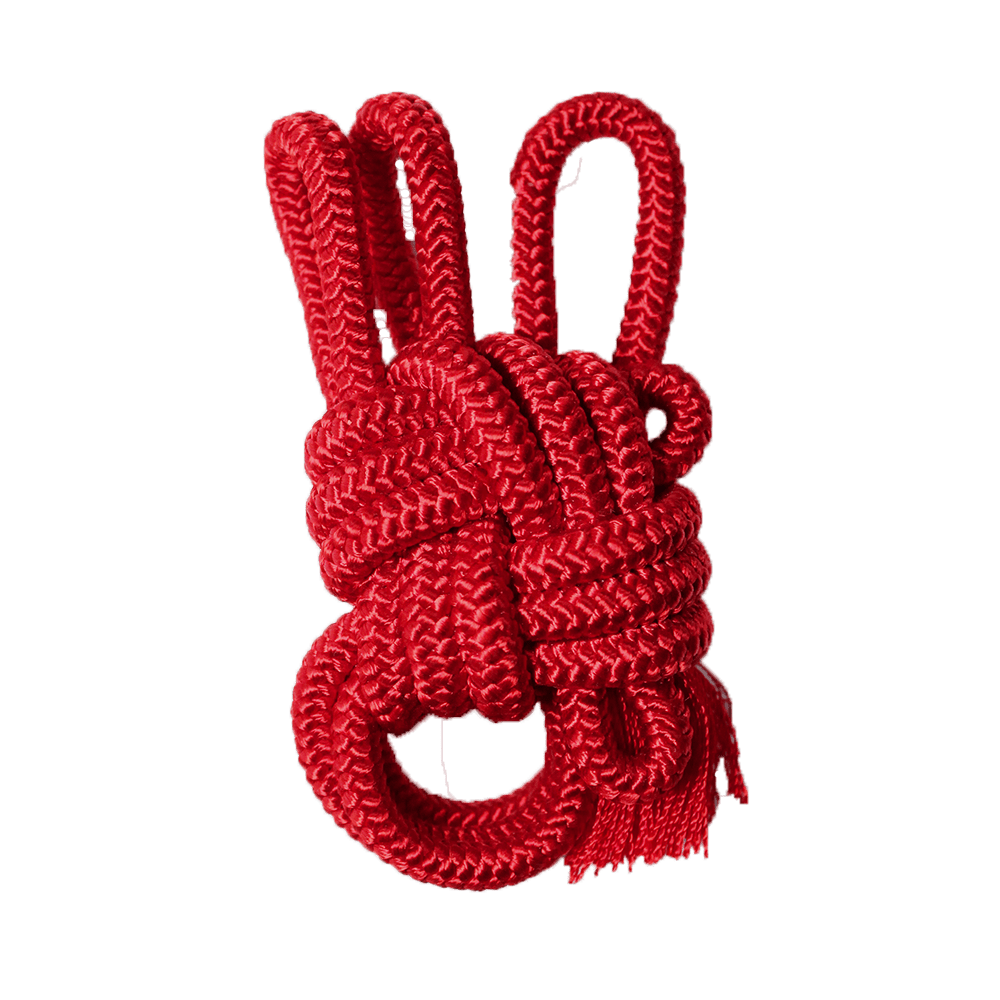
 

For me, an anti-slip mat (dougomu) is also a must.
The instrument must have intact tuning pegs, intact skins (a tear on the back is playable but sounds somewhat “empty”), and the kamigoma (metal nut) must not be missing. For beginners, understanding which components affect playability is not always obvious. In fact, many used instruments are sold with missing kamigoma or itomaki (tuning pegs) or with broken parts.
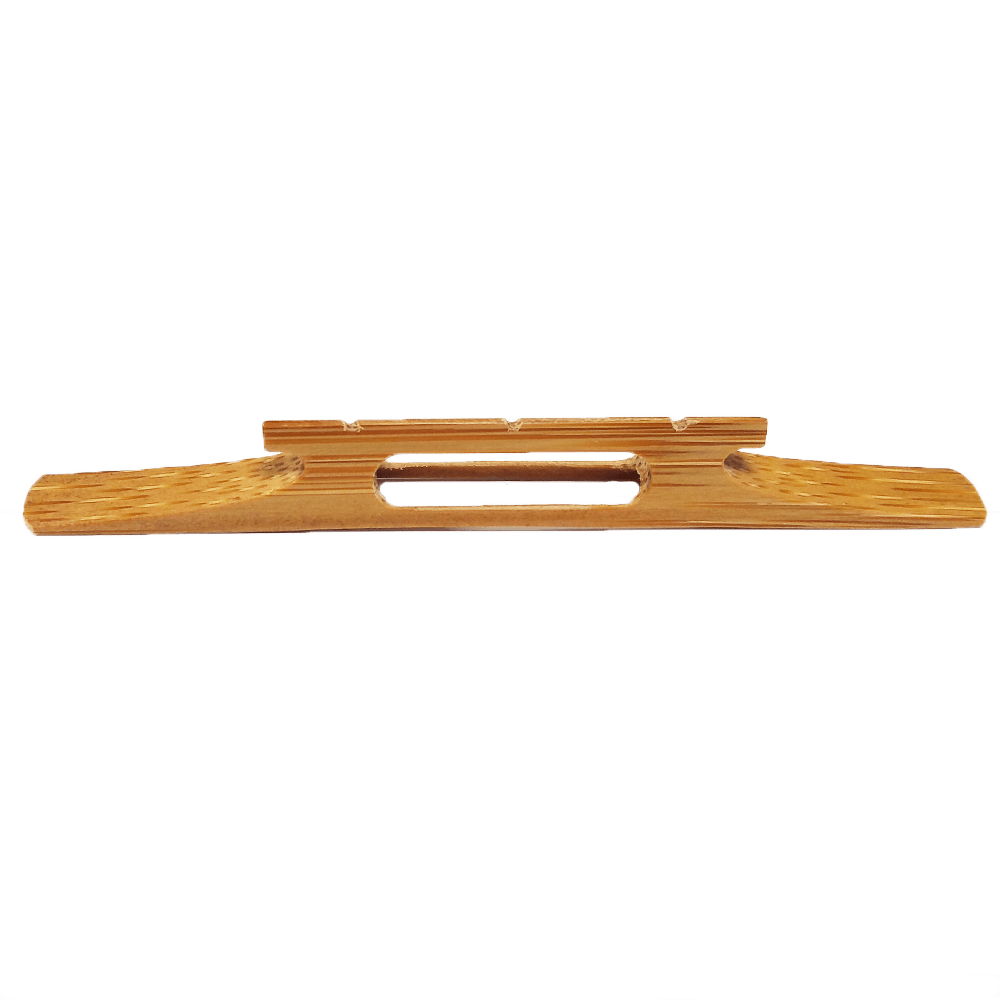
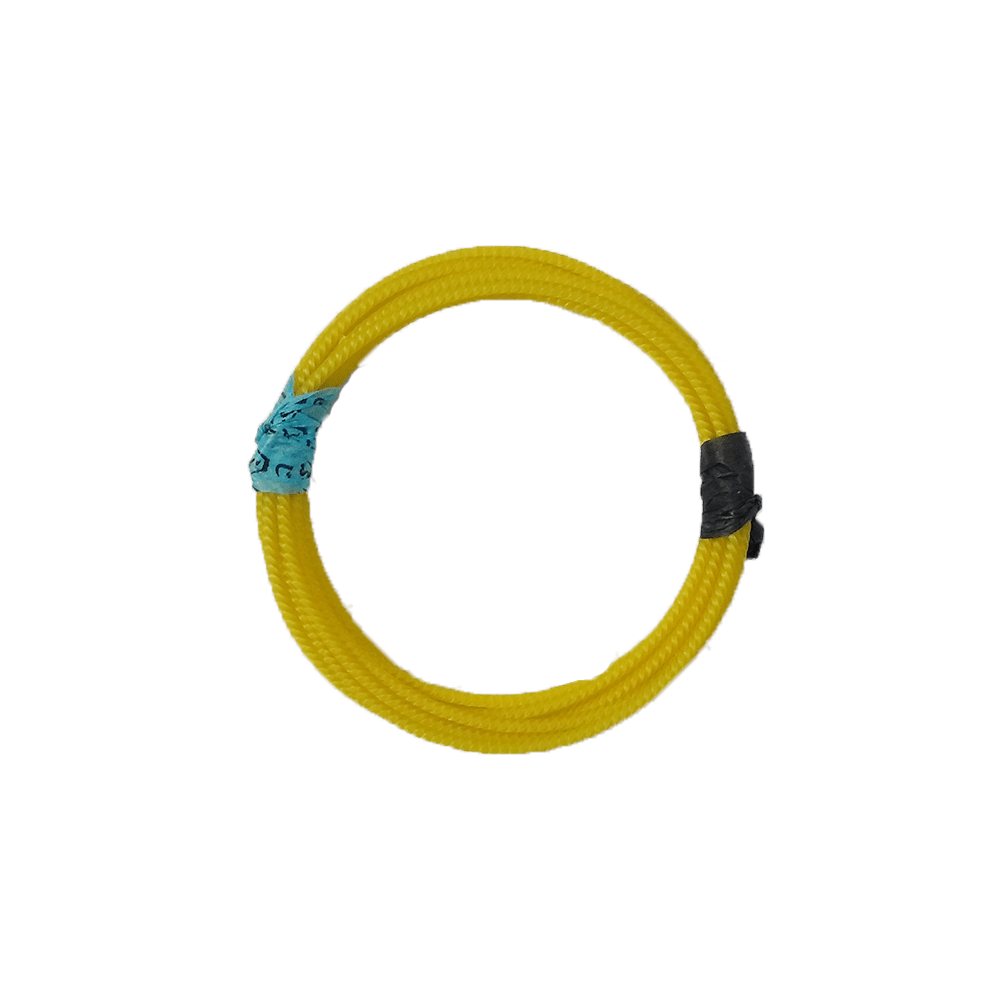
When purchasing a shamisen from a specialized store, you can generally expect it to be free from damage that affects playability. However, the base price in stores typically includes only the intact instrument without any of the smaller essential components like the neo, strings, etc.

neo

koma

string

yubisuri

Bachi

dougomu

Protection for Natural Skin
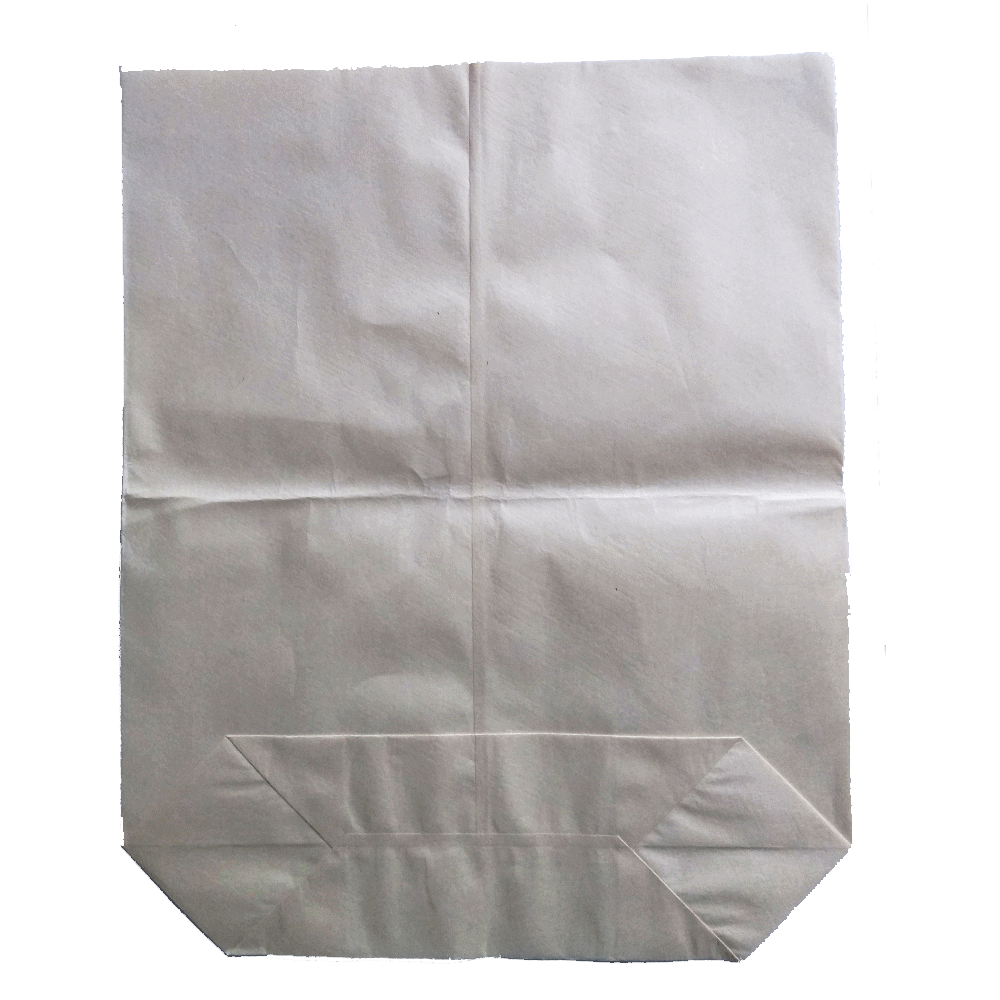
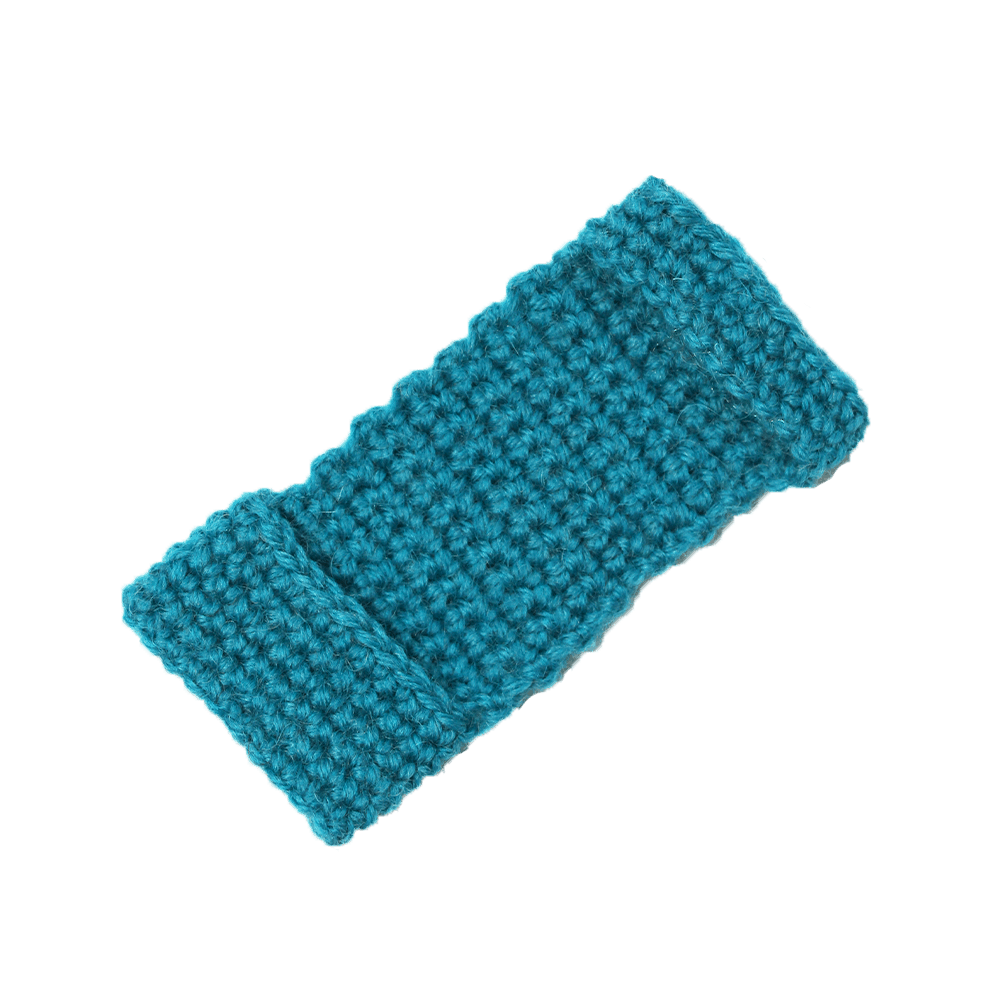
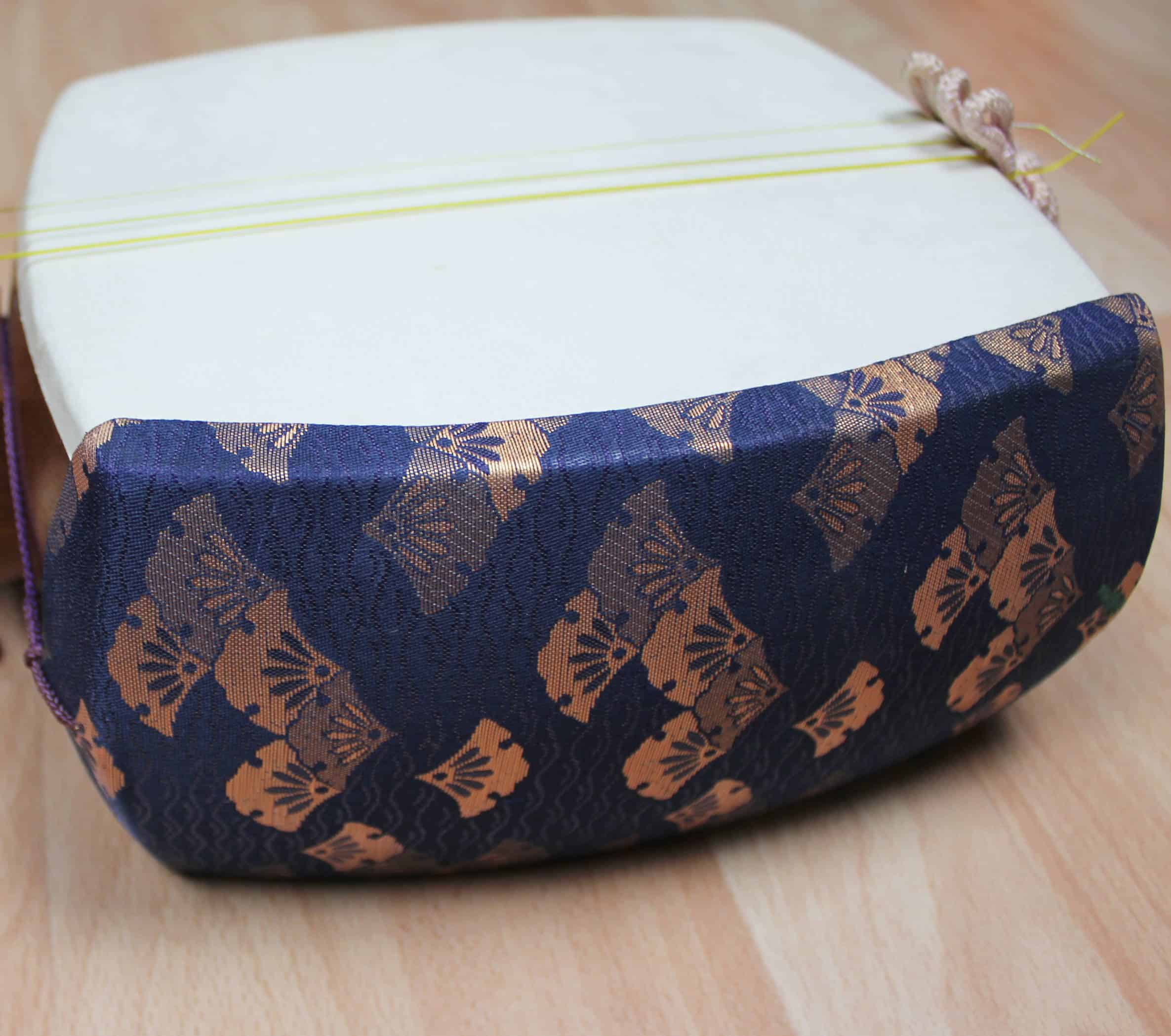
For those with natural skin on their shamisen, a doukake (decorative cover) and a washi bag are extremely important. The skin should be protected as much as possible, as loose or torn skin significantly affects playability and is expensive to replace. The doukake prevents player sweat and oils from damaging the skin, while the washi bag protects the skin from humidity fluctuations when storing the instrument.
washi bag | shamisen-zentrale.de

washi bag

doukake

Additional Protection and Care

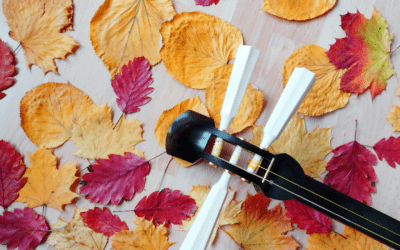
The skin is particularly delicate, but the rest of the instrument also requires care. Tenjin caps are useful for protecting the headpiece from accidental knocks against doorframes or furniture. Since the tenjin is a long and delicate part, it is surprisingly easy to chip a piece off, which—while not affecting the sound—is aesthetically unpleasing.
After each playing session, the shamisen should be cleaned with a soft cloth. I highly recommend the Japanese tsuyafukin, a premium cloth that not only cleans but also polishes the shamisen’s wood. It is machine washable and long-lasting. However, any soft cloth that does not cause scratches is better than nothing.
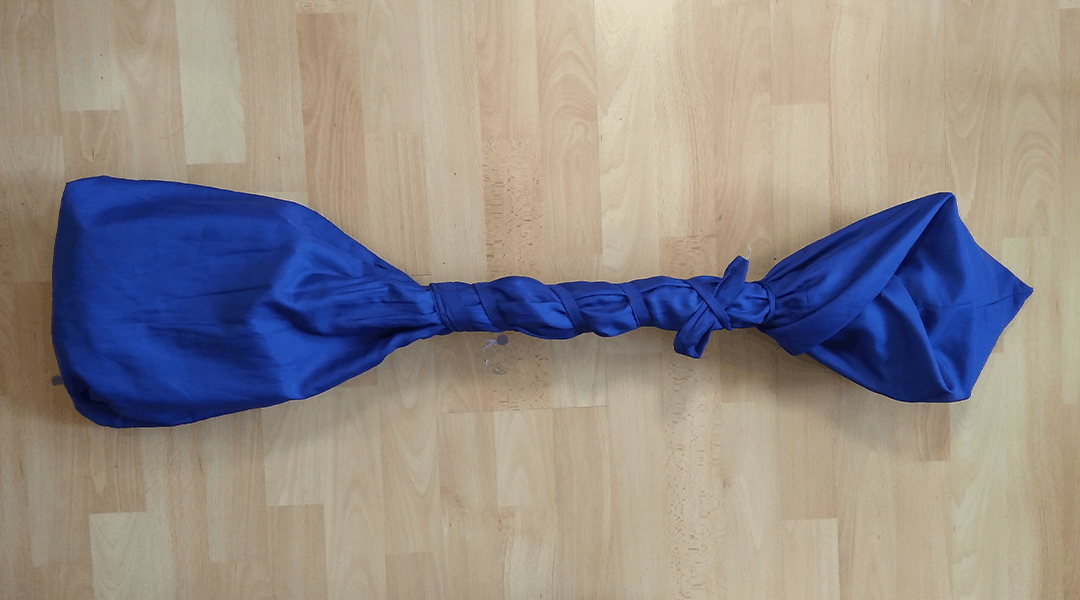
Once cleaned, the shamisen should not be left exposed but at least covered. For authenticity, a nagabukuro (long protective sleeve) is ideal. This is the simplest and first layer of protection for a shamisen. Wrapping the instrument in a nagabukuro after playing shields it from dust and loose debris inside its case.

tsuyafukin

nagabukuro | shamisen-zentrale.de

nagabukuro

Transport

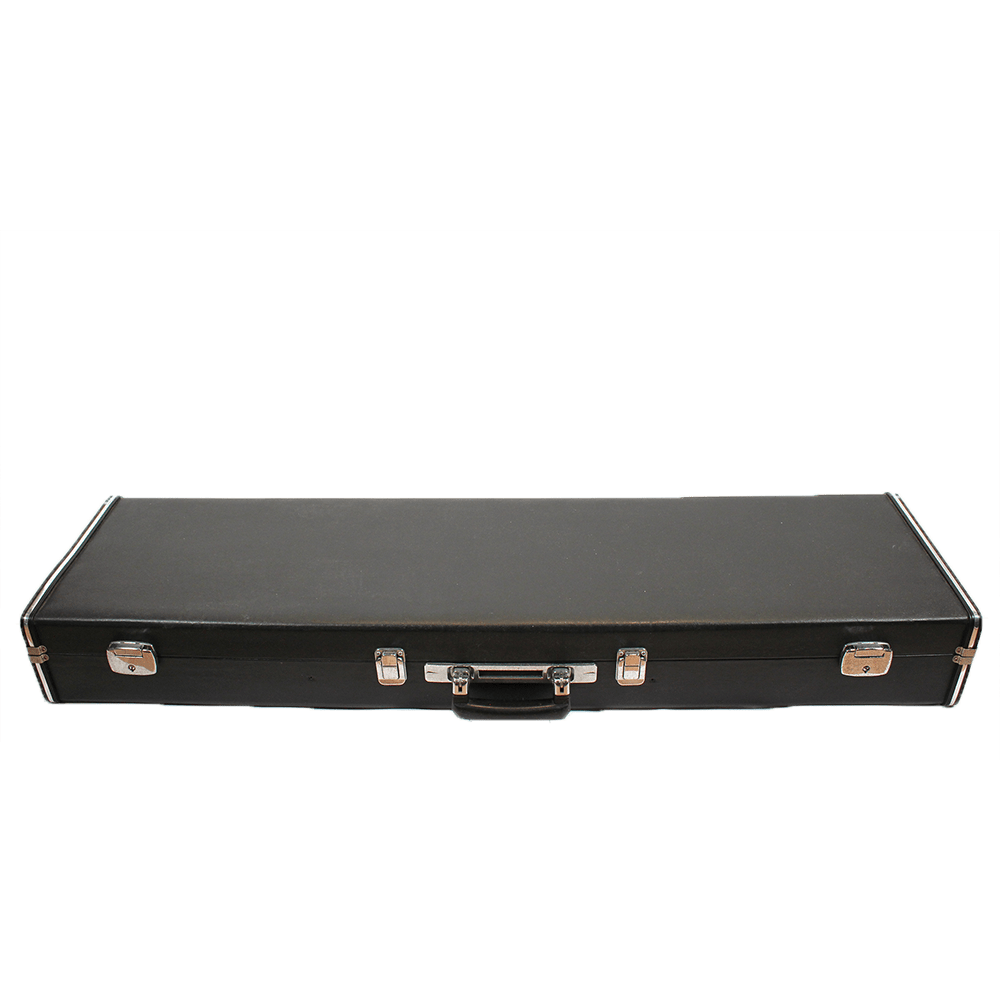
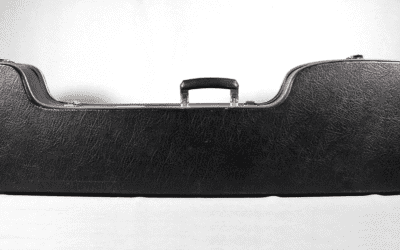
If you plan to transport your shamisen outside your home, simply wrapping it in a nagabukuro is not enough. Instead, it should be stored in a hard or soft case. These cases, made from durable, impact-resistant, and water-repellent materials, provide reliable protection. Additionally, soft and hard cases offer space for all necessary accessories. Some cases even come with backpack-style straps for easy carrying.
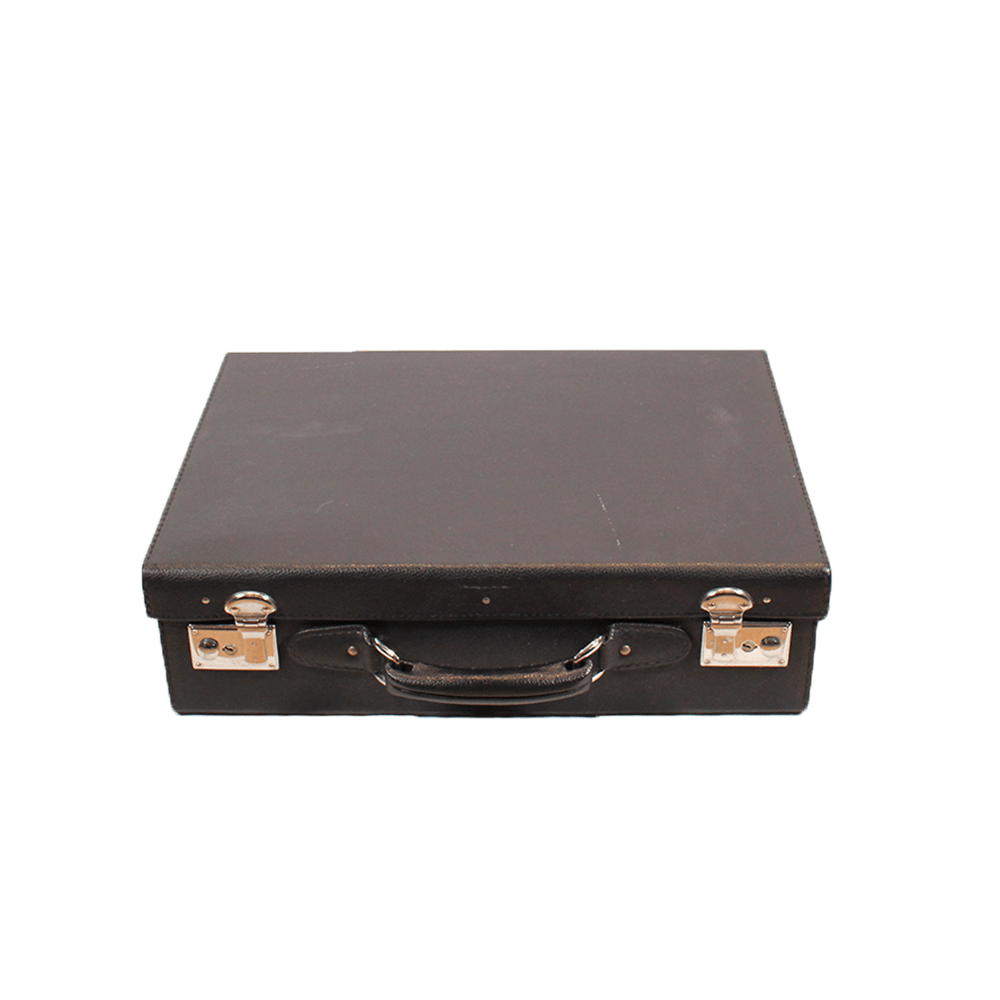
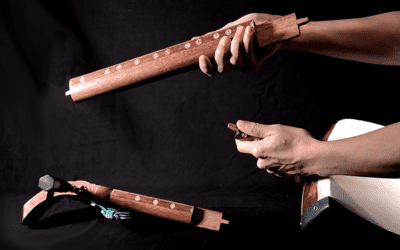
For those who travel light and own a mitsuori shamisen (a shamisen with a neck that disassembles into three parts), a mitsuori case is recommended. There is also a corresponding nagabukuro version for storing the individual components separately.

longcase

mitsuori case

Practice Aids
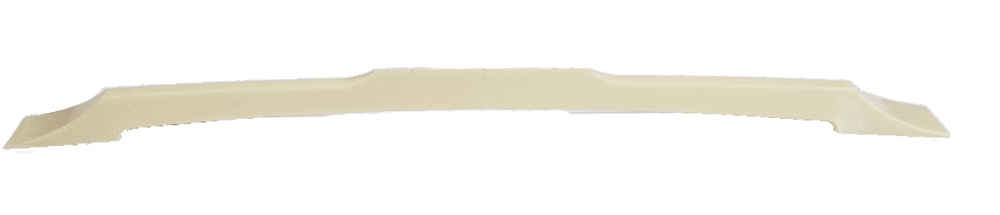
If you cannot always play at full volume, consider getting a shinobikoma. This special bridge is longer and rests on the edge of the dou, redirecting vibrations away from the skin and significantly muting the instrument’s sound (read more about how this works over here). It is the perfect solution for those with noise-sensitive roommates or neighbors or who need to practice at odd hours.

shinobikoma

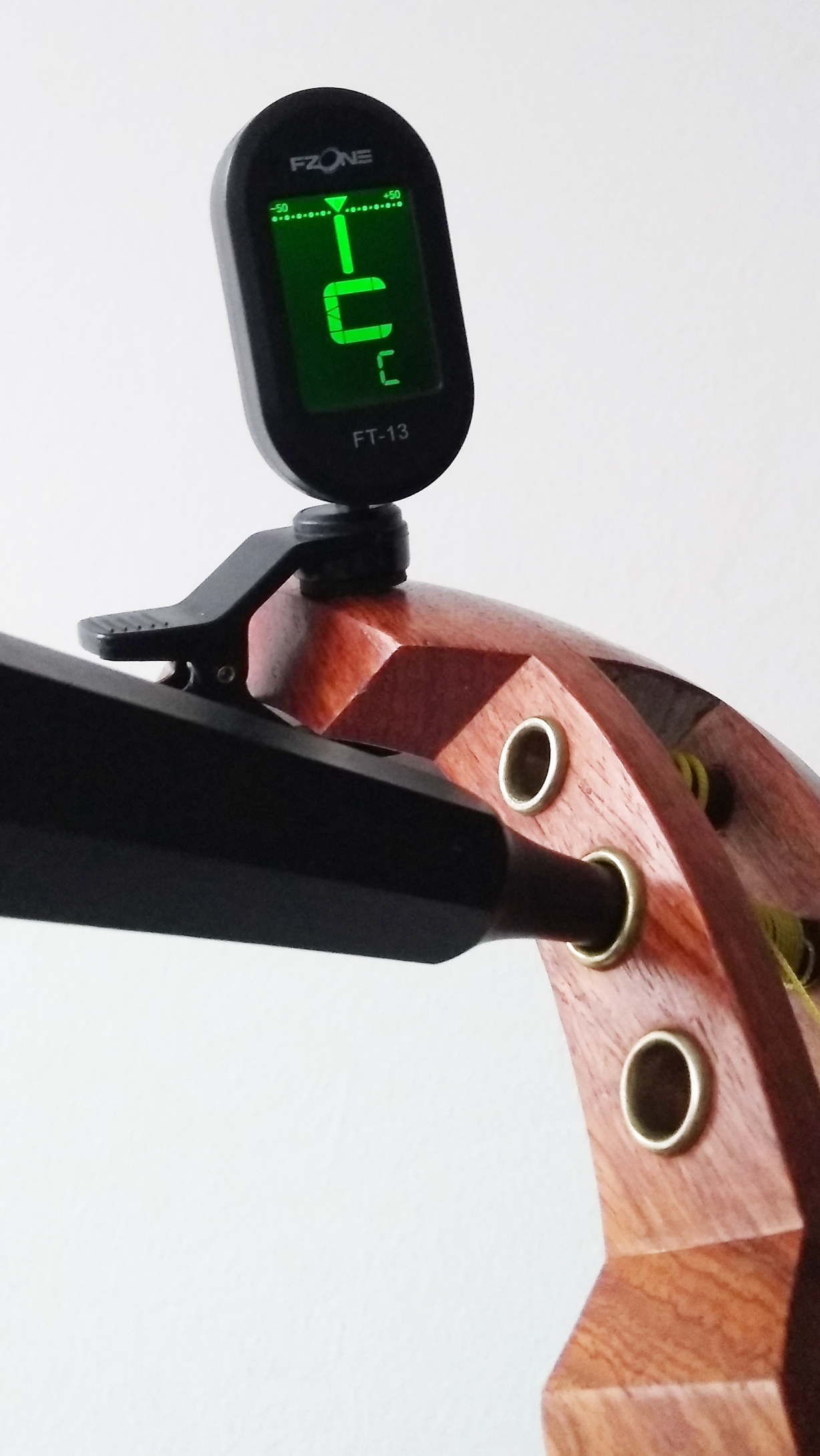
Many players use tuning aids, such as tuning forks or pitch pipes, which provide a reference tone. Another popular option is an electronic tuner, which detects the shamisen’s vibrations and indicates the pitch. A modern all-in-one solution is a smartphone tuning app, available for both Android and iOS, which can generate reference tones and analyze played notes.

Clip-On Tuner

tuning app on a smartphone

Another widely used tool is position markers, which visually indicate note positions along the shamisen’s neck. The specialized version is the fujaku strip, which marks all positions at once. Alternatively, players can use adhesive dots or small dabs of nail polish to mark individual positions. Here is a complete article explaining how to attach the strip or individual dots.
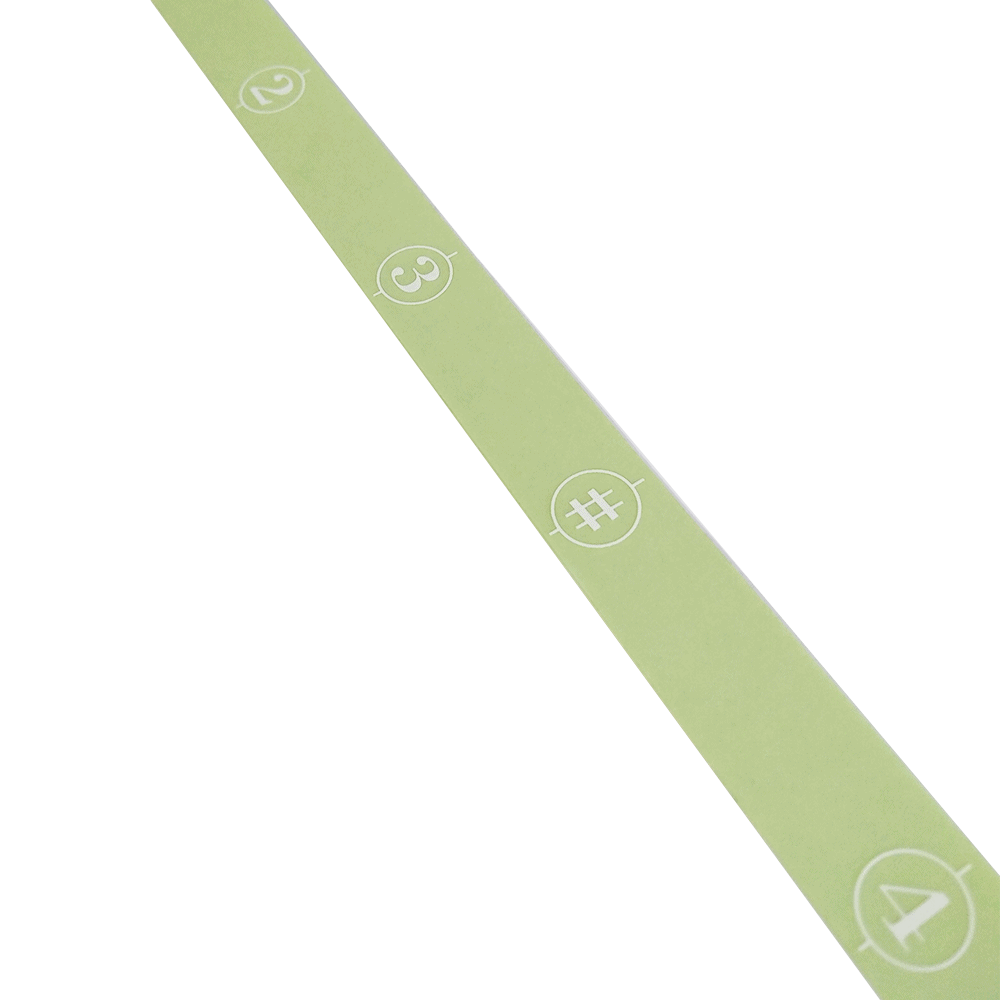
fujaku strip before attaching

fujaku strip on the sao

Level-Up: Comfort
As with all things, there are all sorts of frills that one can acquire. But a few gameplay-relevant notable additions stand out for enhanced playing comfort.
For all those who want more grip on the body and whose right arm tends to slip off, there are narrow rubber sleeves that you pull over the doukake, the Doukake Gomu. Alternatively, you can also attach an anti-slip mat. Those who have difficulty holding the bachi because their hands quickly become damp and it starts to slip from the hand can find relief with a Bachigomu. This is a rubber sleeve that you put over the bachi grip. Alternatively, you can wrap some tape around the grip. Particularly suitable for this are kinesio tape, tape for bicycle handlebars, and tape for tennis grips.
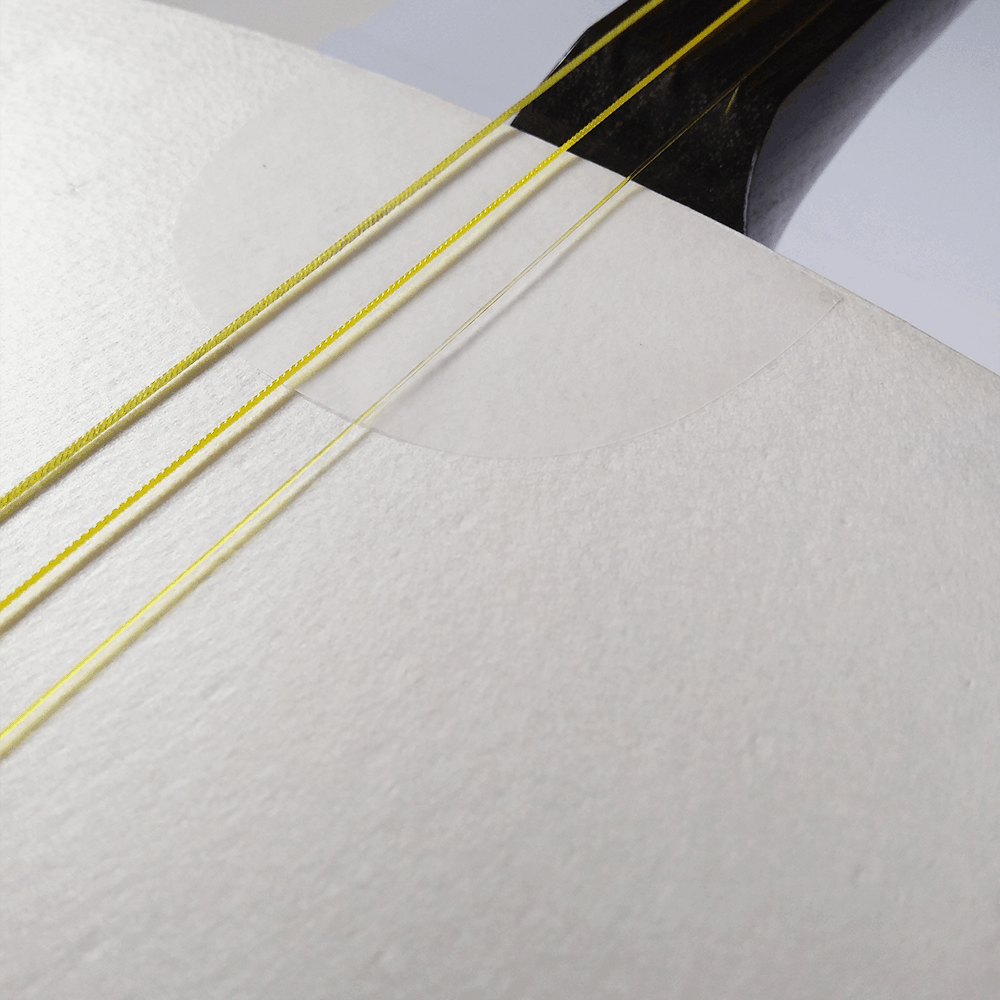
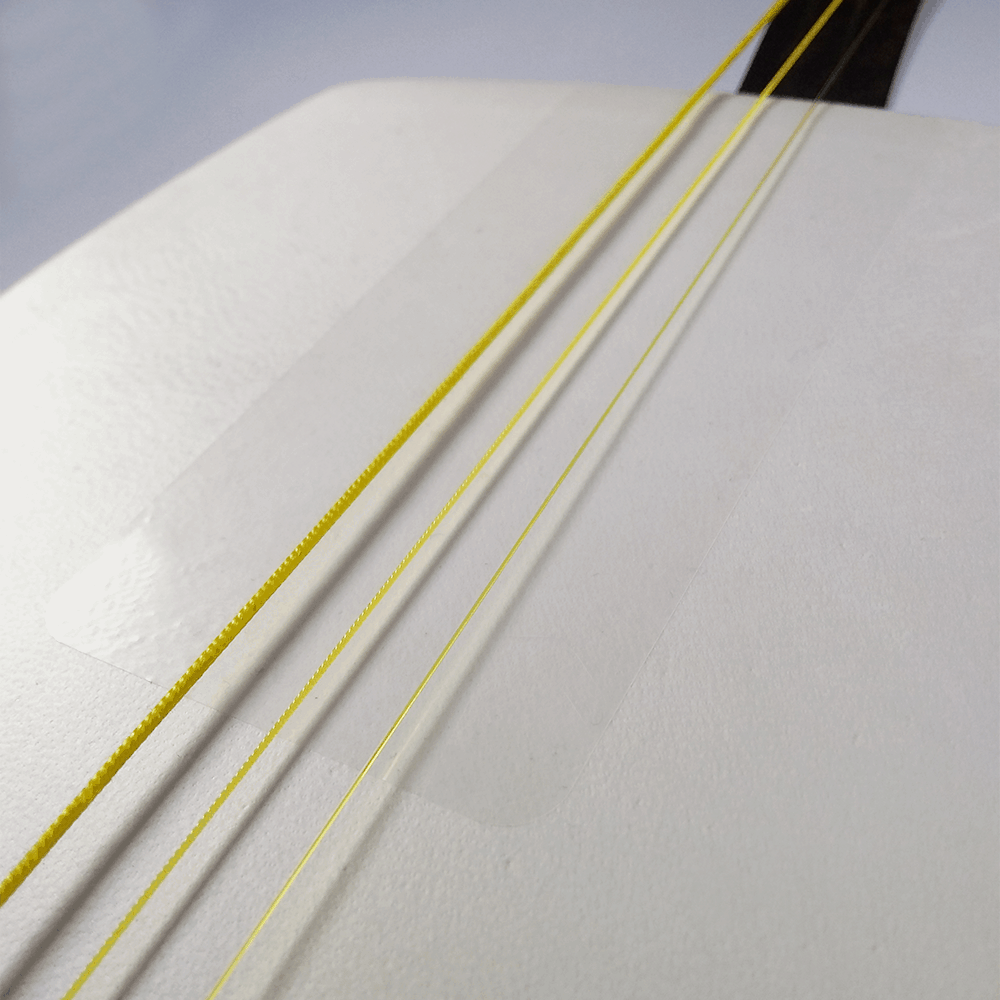
If you have a shamisen with synthetic skin and are worried about wear on the surface from the bachi, you can stick a small protective film under the strings, called a Bachigawa. The film is very sturdy and durable, preventing abrasion from the bachi.

large bachigawa

small bachigawa

More is Always Possible

These are the most important parts and further accessories you should know. For the small parts (Bachi, Koma, strings), there are, of course, specially made cases and containers that store the precious and important companions particularly safely and decoratively. Perfect candidates for the next wish list.

Watch the video here:

Auch interessant: 

How to Take Apart Your Shamisen

How to Take Apart Your Shamisen

Many shamisen can be disassembled. This makes transport easier and safer. The fresher the joints, the harder it is to separate the neck. Fortunately, there are a few tricks to get it done safely.

Caring for Your Shamisen in Autumn

Caring for Your Shamisen in Autumn

Autumn brings specific challenges for the shamisen that every player should be aware of to protect and care for their instrument properly. How to deal with humidity, cold, and dry indoor air?

How to Store Your Shamisen Properly

How to Store Your Shamisen Properly

If you want your instrument to last a long time, proper storage is essential. There are several ways to keep your shamisen safe and conveniently stored when you’re not playing. Even if you have little space, you can find a good spot for your instrument.

Pin It on Pinterest

Share This