Assembling the Shamisen

shamisen assembly article
b
Most shamisen are delivered disassembled. For many beginner players, the first challenge is putting the instrument together correctly. This article explains how to get it right on your first try.

Pretty Practical

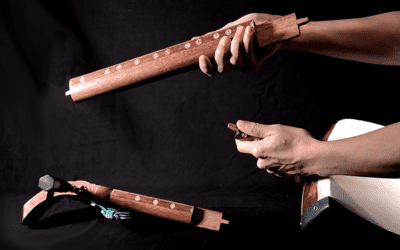
Most shamisen are built so that the neck can be taken apart into three pieces. That makes them surprisingly travel-friendly despite their long neck, and it also makes transport over longer distances much safer — plus it reduces shipping costs when the instrument is sent by mail. Cheaper models have a neck carved from a single piece that can’t be disassembled. And there are even a few instruments where the neck splits into more than three parts, but that’s unusual. The principle of assembly is the same in any case.

Terminology: A neck that splits into three pieces is called mitsuori neck (三つ折り – mitsu = three, ori = fold). A solid, continuous neck is called nobezao (延棹 – nobe = extension, sao = pole/neck).

The first time you assemble a shamisen is the most work, since you really do have to fit together every small part. Later on, when you disassemble it for travel, you don’t need to break it back down into its “atomic” components — you just remove the neo together with the tied strings, then take apart the neck.

The Individual Parts

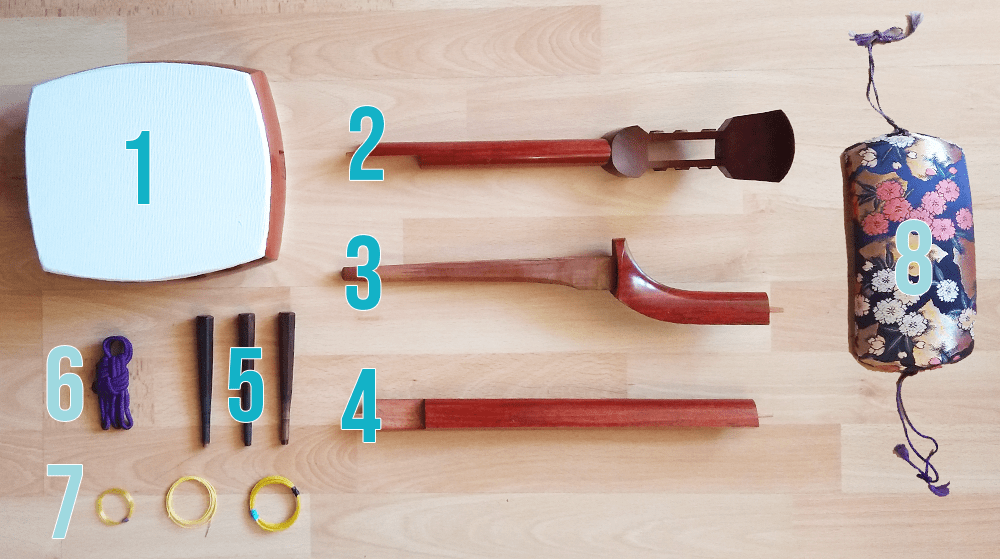
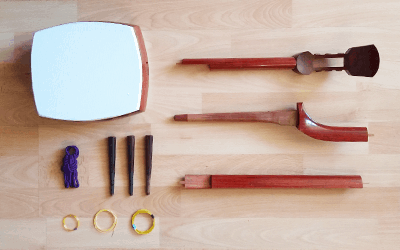
These are the pieces that remain permanently installed on a fully playable shamisen:
shamisen assembly parts

Always included:

1: body ()

2: upper part of the neck with head (tenjin)

3: lower part of the neck

4: middle part of the neck

5: three tuning pegs (itomaki)

Not always included, but part of a ready-to-play shamisen:

6: string holder (neo)

7: three strings (ito)

8: body cover (doukake)

When you buy a shamisen, sometimes the dōkake, neo and strings aren’t included. The rest of the instrument can still be fully assembled — those three items are simply the final pieces of the puzzle.

The Best Assembly Order

There’s no single correct order, but mine looks like this:

  1. Fit the neck pieces together
  2. Insert the itomaki into the tenjin
  3. Attach the dōkake
  4. Put on the neo
  5. How to String the Shamisen – Guide

I start with the neck to get the fragile joints secured right away and out of harm’s way. It also makes pressing the lower neck piece firmly into the body much easier since you have more material to grip. I add the itomaki only after the neck is seated in the body, since otherwise they can work loose and fall out from all the handling. The dōkake may look like decoration, but it’s easier to tie the lower knot when the neo isn’t in the way. And the strap should never go over the neo, or the dōkake won’t stay tight.

Rule of thumb: if something feels stuck, stop immediately and check. Just like in playing, nothing in assembly should feel like a strain — that’s usually a sign something’s not quite right.

The Neck

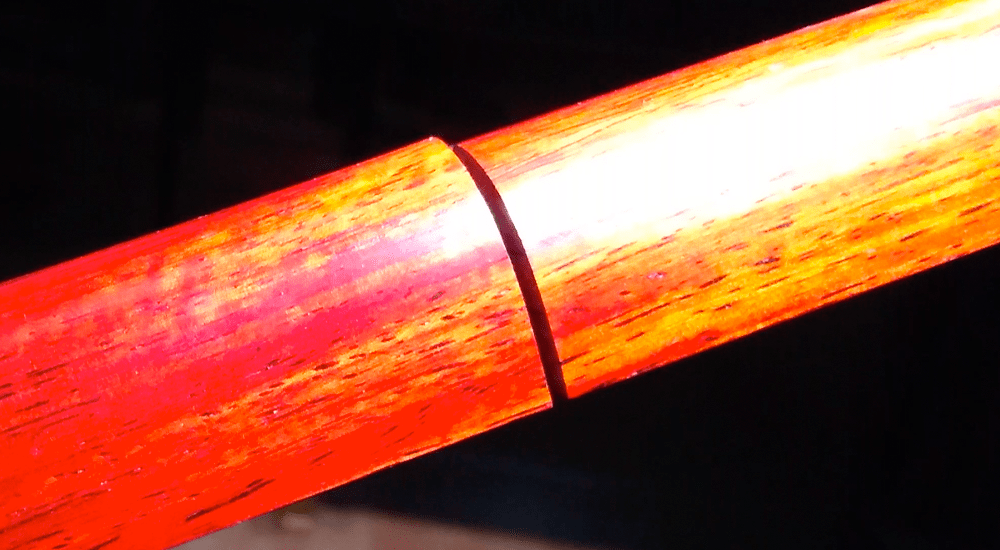
The one mistake you can make here is attaching the middle section upside down. Since the neck tapers, that creates an obvious step and usually leaves a noticeable gap between the joints.

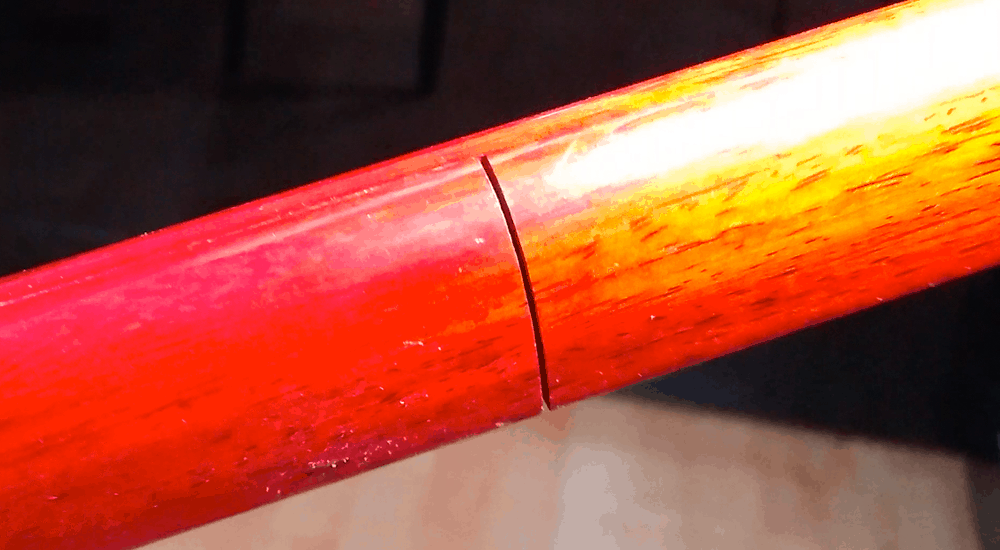
The easy fix: when connecting the pieces, keep the rounded underside of the neck facing you. If you’ve fitted it wrong, you’ll see an ugly edge immediately on the underside. The top side can be deceptively smooth, tempting you to force it together against resistance.
sao wrong way around

Wrong way round:
Rounded side on top: visible ridge
Straight side on bottom: deceptively smooth
sao right way around

Correctly assembled:
Rounded side on bottom → smooth
Straight side on top → also smooth

If Something Jams

If pieces are stuck, don’t panic — and don’t reach for pliers. Use gentle patience: tap the joint lightly with your palm to loosen it, while using your other hand to cradle the lower piece and push the upper one away with your thumb. This trick also works when disassembling very tight joints.

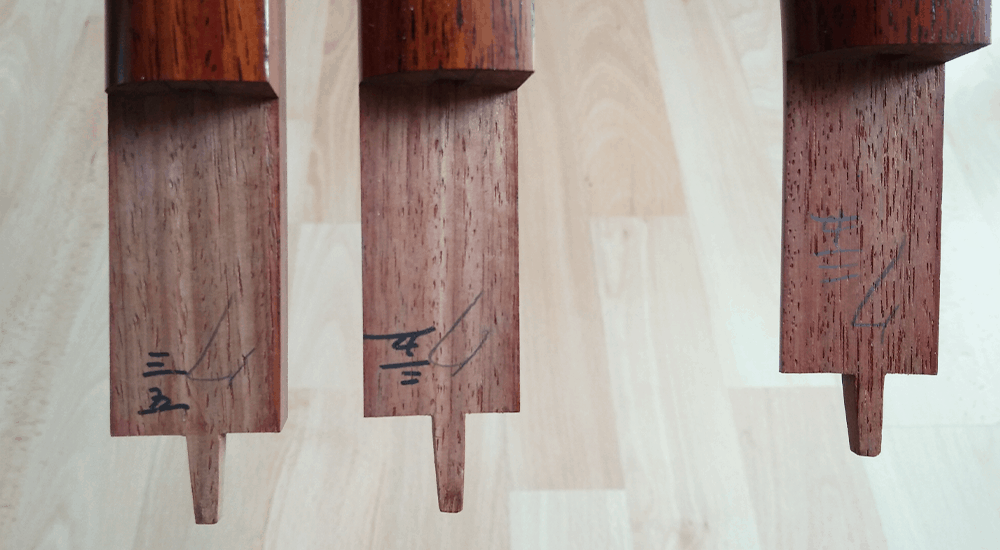
On high-end instruments, each joint is crafted differently, so a careful look shows you what belongs together. But even then, mistakes happen.
sao wrong way around

Everything looks smooth and could potentially fit together.
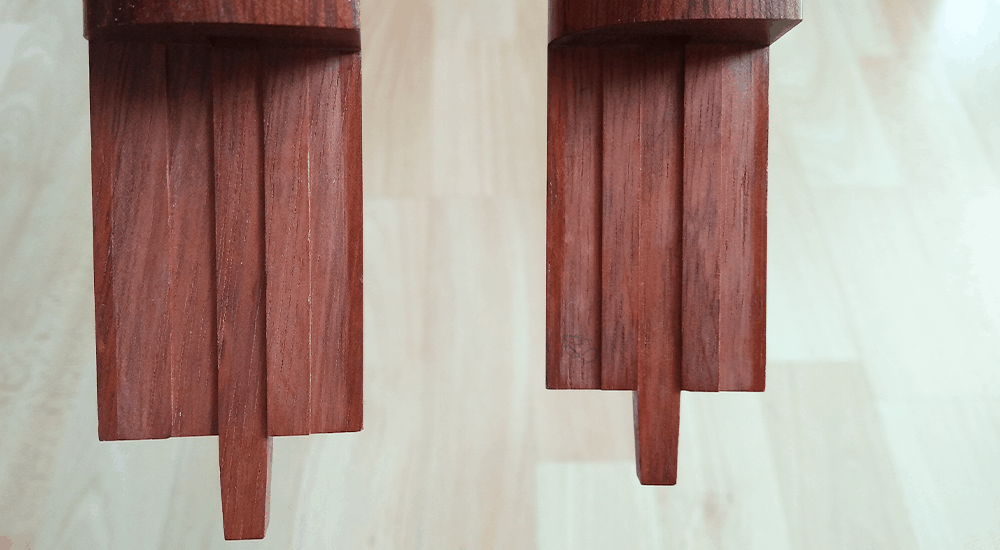
sao right way around

It’s easy to spot: Those two don’t belong together.

Neck Through the Body
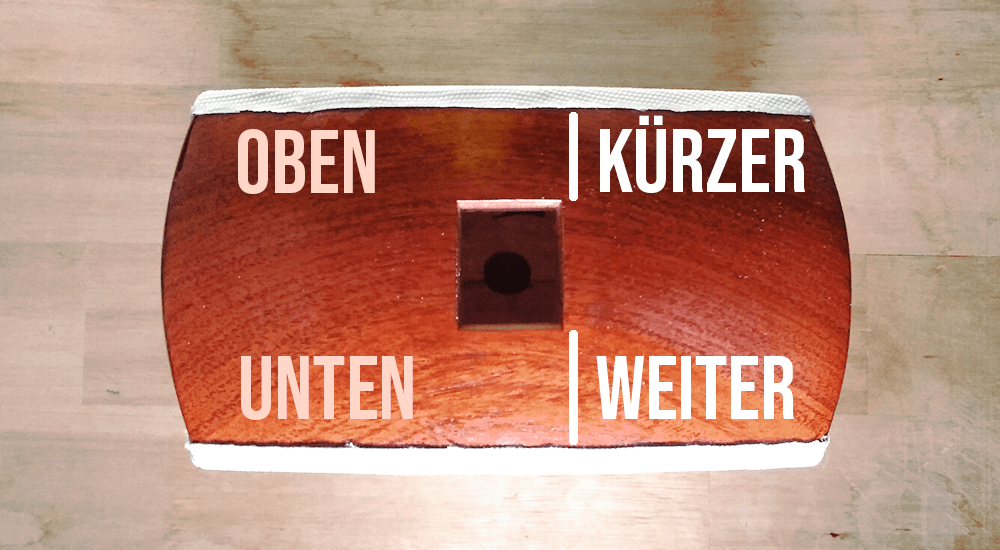
Next, fit the neck through the square hole in the body. On the opposite side (with the round hole) the end of the neck will emerge. Since the dō has a front and back, you can insert the neck backwards if you’re not careful. Sometimes it seems to fit, sometimes it jams — it depends on the instrument. But if it’s backwards, the instrument won’t play properly.
square hole on the dou

Look closely: the square hole isn’t centered. On one side the distance to the edge is shorter — that’s the top side. Because of this asymmetry, the neck orientation matters, even if it “fits” the wrong way. A backwards neck makes the string action awkward or even unplayable.

Another clue: subtle marks around the hole where the neck presses against the wood. These look like a U-shaped curve on one side and a straight line on the other, like a lid on top of the U. The curved mark indicates the back side of the body, where the rounded underside of the neck sits.

To insert the sao (neck), place the dō (body) on your lap for stability. Carefully guide the neck straight through the square hole. Try not to let the end of the neck touch the skin — it can damage it. If you feel resistance, gently wiggle until the stem peeks out below, then press it in firmly. In the end there should be no gap between neck and body. Some instruments go together easily, others need more pressure, so check orientation first.

Terminology: Because the neck runs all the way through the body — literally skewering it — the shamisen is classified in Europe as a “spike box lute.

Itomaki in the Tenjin

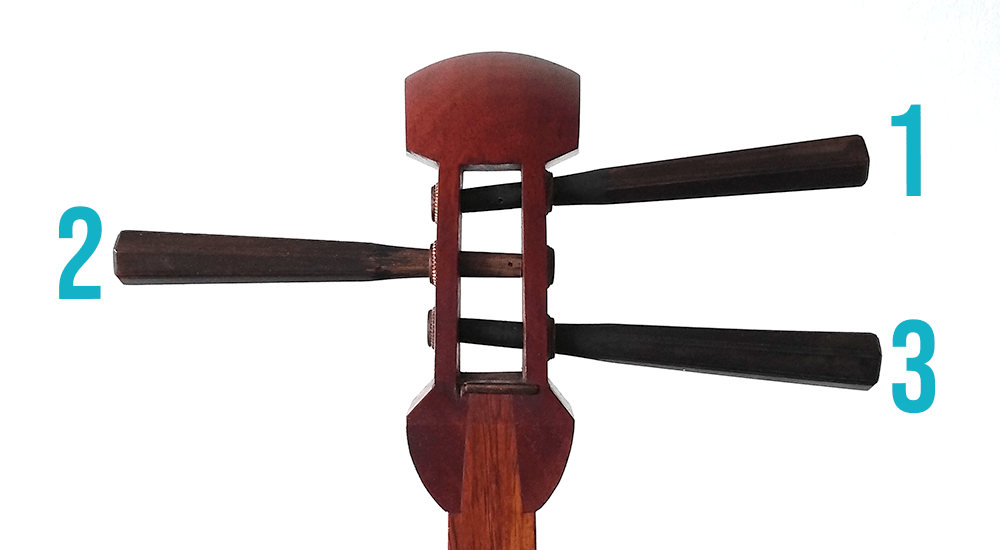
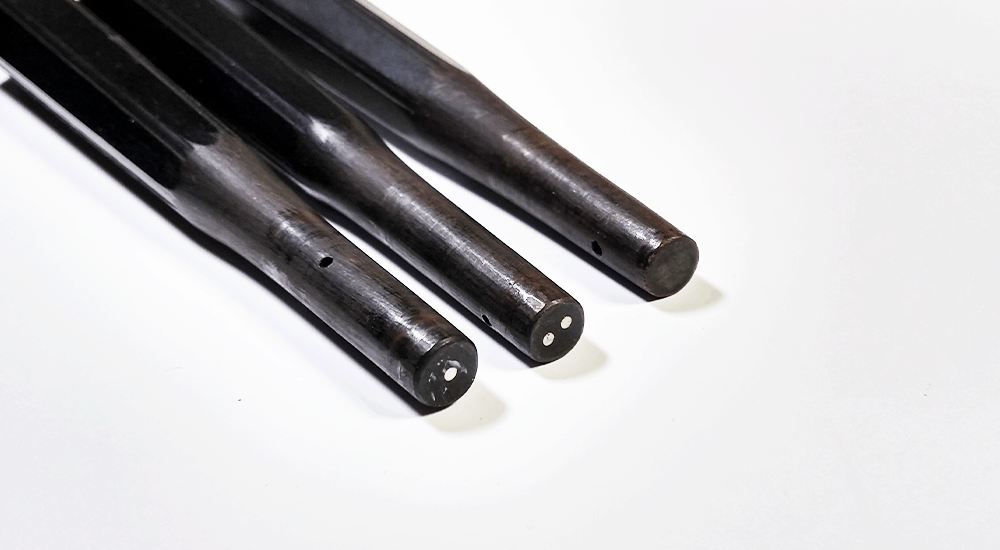
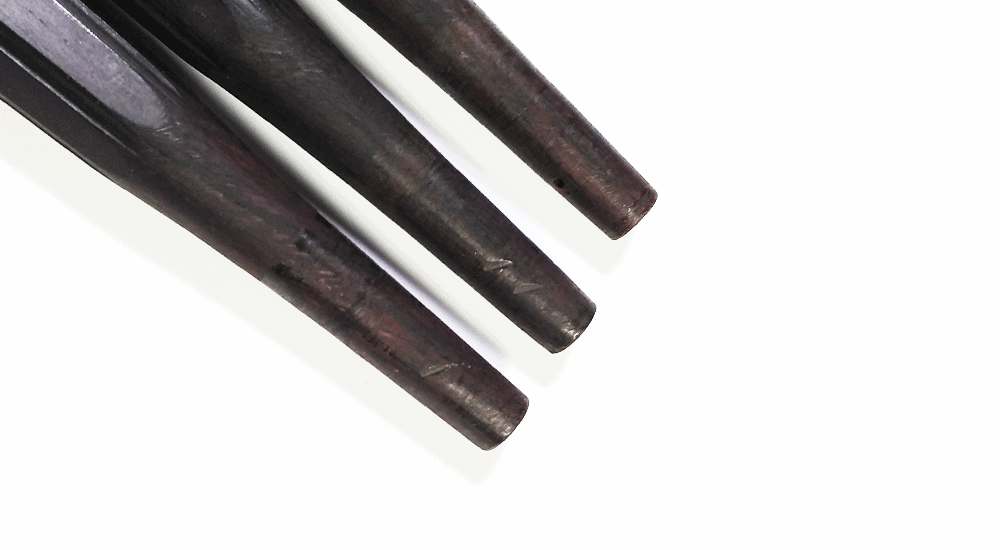
Although the three itomaki look alike, each is custom-fitted and should go in its proper hole. Put in the wrong place, one might sit too tight to turn or too loose to hold tuning. Usually the first two pegs are marked, making it easy to match them. The arrangement in the tenjin is:
sao wrong way around

Markings with dots are at the tip.

sao right way around

Markings with grooves are on the side.
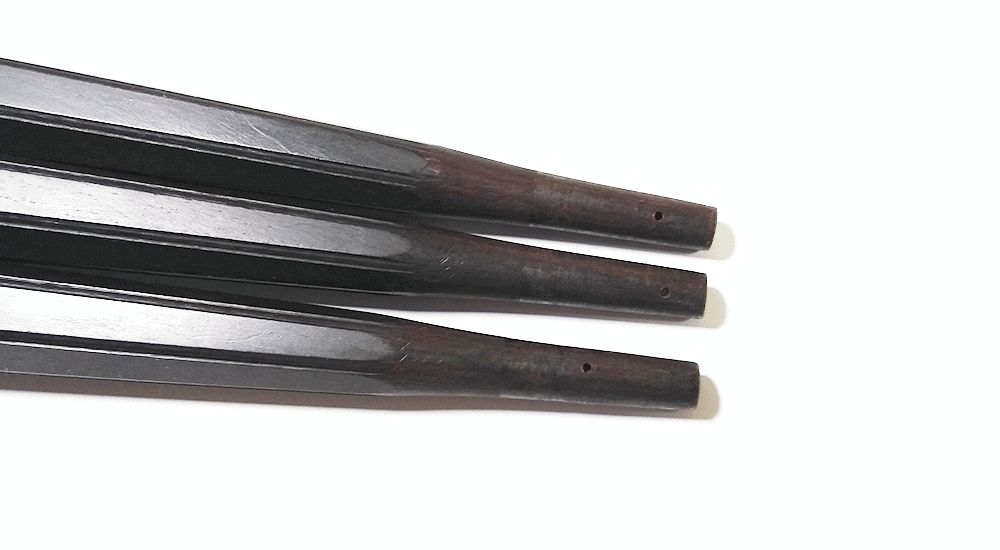
Sometimes there are no marks at all. In that case, trial and error is your only option — but you can reduce the guessing to 50/50. The first peg (for the thick string ichi no ito) is easy to spot:
On one peg, the string hole is drilled further from the tip than on the other two. That one belongs in position 1, top right of the tenjin.
The other two have identical drilling, but usually one fits better in one hole than the other. Try both and choose the one that holds firmly but still turns smoothly.

Attaching the Dōkake

If you have doukake, neo and strings, start with the doukake. It protects the skin from sweat and oil and also gives your arm a surface with more grip than the smooth wood of the body. It belongs on the upper side of the body — for right-handed players, that’s the left side.
Press it firmly onto the body and tie the cords around the neck and the stem protruding from the bottom. For the lower knot, it often helps (especially with smooth cords) to wrap the cord once completely around the stem before tying. For the upper knot, make sure the neck is seated tight with no visible gap; otherwise the cord may slip into the gap and hurt the sound.

Attaching the Neo

The neo simply slips over the stem at the bottom of the dō. The smooth side faces the body, fitting snugly against it. The three small loops point upward, usually peeking slightly over the edge.

Next Steps

Now it’s time to string the instrument. (See this article and this video for details.) After that, all that remains is to insert the koma (see article and video), and the shamisen is ready to tune. For safe and efficient tuning — without risking a broken peg (yes, it happens more easily than you’d think if you do it wrong!) — check this guide and video. And for more about tunings, see this article and video.

Watch the video here:

Auch interessant: 

How to Take Apart Your Shamisen

How to Take Apart Your Shamisen

Many shamisen can be disassembled. This makes transport easier and safer. The fresher the joints, the harder it is to separate the neck. Fortunately, there are a few tricks to get it done safely.

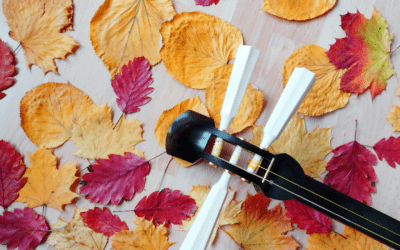
Caring for Your Shamisen in Autumn

Caring for Your Shamisen in Autumn

Autumn brings specific challenges for the shamisen that every player should be aware of to protect and care for their instrument properly. How to deal with humidity, cold, and dry indoor air?

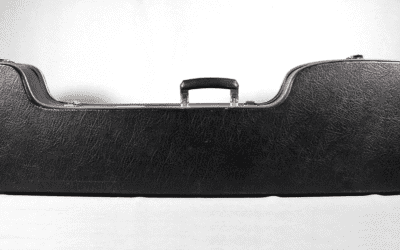
How to Store Your Shamisen Properly

How to Store Your Shamisen Properly

If you want your instrument to last a long time, proper storage is essential. There are several ways to keep your shamisen safe and conveniently stored when you’re not playing. Even if you have little space, you can find a good spot for your instrument.

Pin It on Pinterest

Share This