by admin | Feb 2, 2021 | Basics
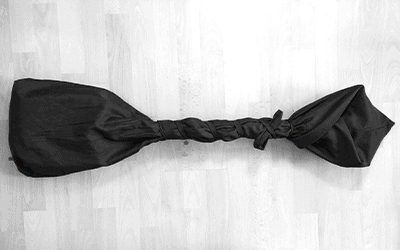
An accessory that is often used (slightly) incorrectly is the nagabukuro. This simply cut, rectangular, soft case protects the instrument from dust, dirt, curious paws, and small loose items forgotten in the case. Many players don’t give much thought to its use and make easily avoidable mistakes when putting it on.
by admin | Jan 29, 2021 | Special
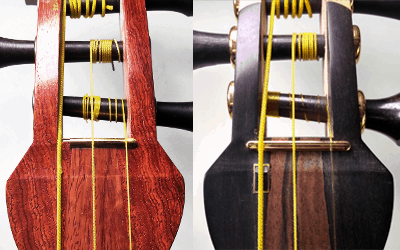
The sawari is the shamisen’s characteristic buzzing sound, which makes the music of this instrument especially fascinating. There are two different mechanisms that produce it — they look quite different at first, but both are based on the same principle. So what exactly is behind this mysterious buzzing and humming?
by admin | Jan 19, 2021 | Basics, Shami-Life-Hacks
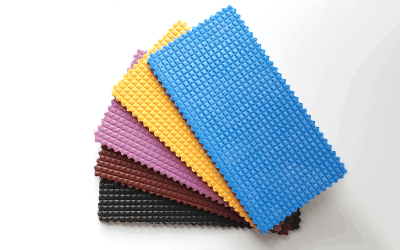
Positioning and balancing the shamisen correctly on your thigh is rarely easy at first. A simple solution is a non-slip mat. I’ll show you how to place the professional mats most effectively and how to make one yourself at home.
by admin | Jan 14, 2021 | Basics, Playing and Technique
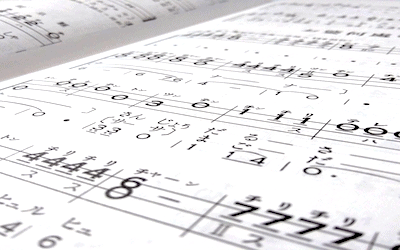
Bunkafu notation is the tablature system used for shamisen music. It’s very visual, which makes it quick and easy to learn. This overview explains how to read the notation and what the interesting special symbols mean.
by admin | Jan 5, 2021 | Basics
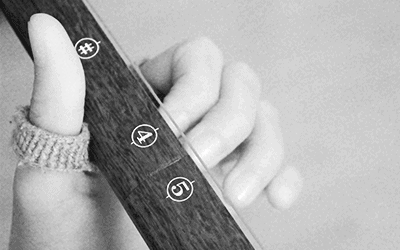
Anyone playing with Bunkafu notation (tablature for shamisen) faces the big challenge of assigning specific sounds — and thus specific positions on the shamisen neck — to the numbers on the page.
While learning by ear was the original method, nowadays almost every beginner sticks dots on their neck to navigate more easily.
You can mark the positions individually or use a handy Fujaku strip.