Long String, Long Life?

shamisen with strings on the dou
b
Many beginners feel like their strings break constantly. What initially brings pride can quickly turn into frustration. Does it really have to be that way? There are several factors that can shorten a string’s lifespan. If you want to avoid unnecessary string wear and save yourself from constantly restringing and breaking in new strings, there are a few things to keep in mind.

Changeable and Unchangeable Factors

How long a string can or should last is hard to say in general. Experience shows, however, that some players’ strings break faster than others. The reasons are simple and logical. Knowing them allows you to get the most out of your strings, saving wear, nerves, and money.

Understanding Wear: Robust vs. Delicate

Strings wear down simply because we play them. We strike, pluck, and tension the strings to produce sound. Different materials and thicknesses naturally result in different lifespans:
Silk strings are less durable than synthetics like nylon or Tetron.
Thin strings wear faster than thick ones because there is less material to endure repeated playing.
Strings don’t break suddenly—they wear gradually over time. Understanding this helps you manage expectations and care for your strings.

Basic Principles
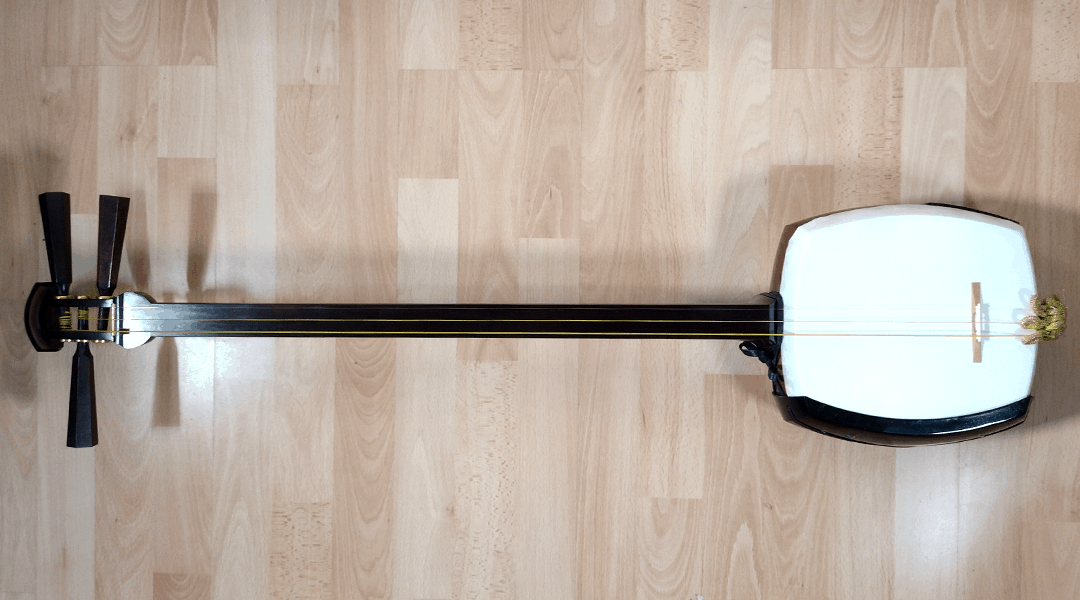
Every string will eventually break. Still, we want to create the best conditions for a long, smooth life. The five factors described below aim to minimize unnecessary wear and stress. A key point is the basic principle: keeping the strings as straight as possible from the peg (itomaki) to the tailpiece (neo). Following this simple rule ensures that tension is evenly distributed and no sideways stress is applied. To achieve this, we need to focus on two things: the neo and the itomaki.
tsugaru shamisen

If the strings run in a straight line from the itomaki to the neo, the material has a longer lifespan.

The Five Factors

1. The Neo
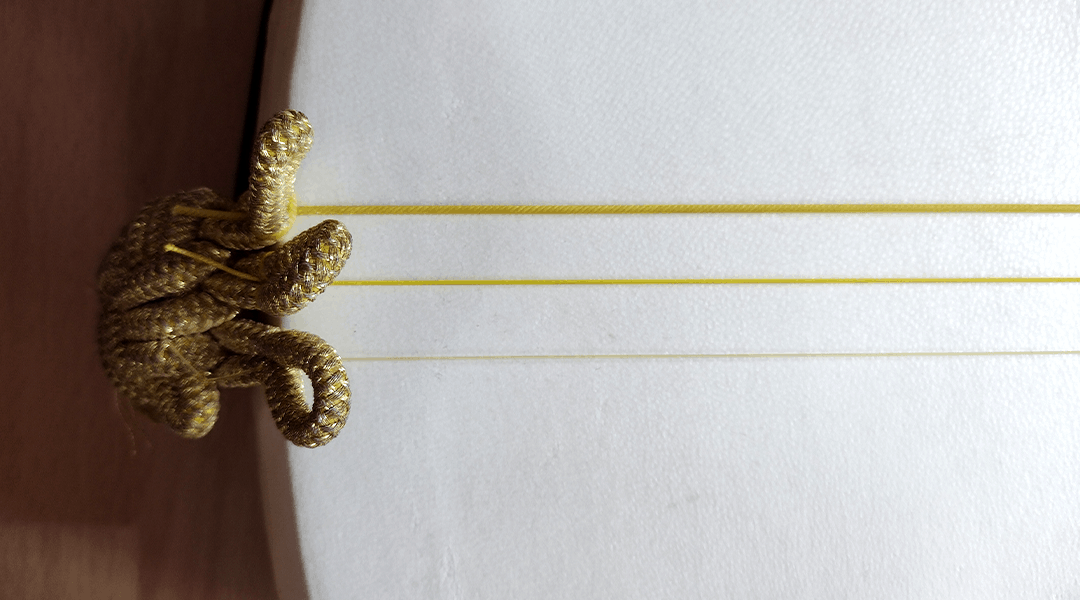
The strings should run as straight as possible from the peg (itomaki), over the neck and koma, to the tailpiece (neo). If the neo loops are too tight or uneven, the strings won’t run straight—they spread out instead of following a clean line. This creates extra tension at the koma, adding stress to the material.
Tip: Adjust the loops with your fingers so the spacing is even and matches the koma grooves. It’s easiest before the koma is inserted because the strings are more relaxed.
shamisen neo and strings

When everything looks symmetrical, the strings will be happy.
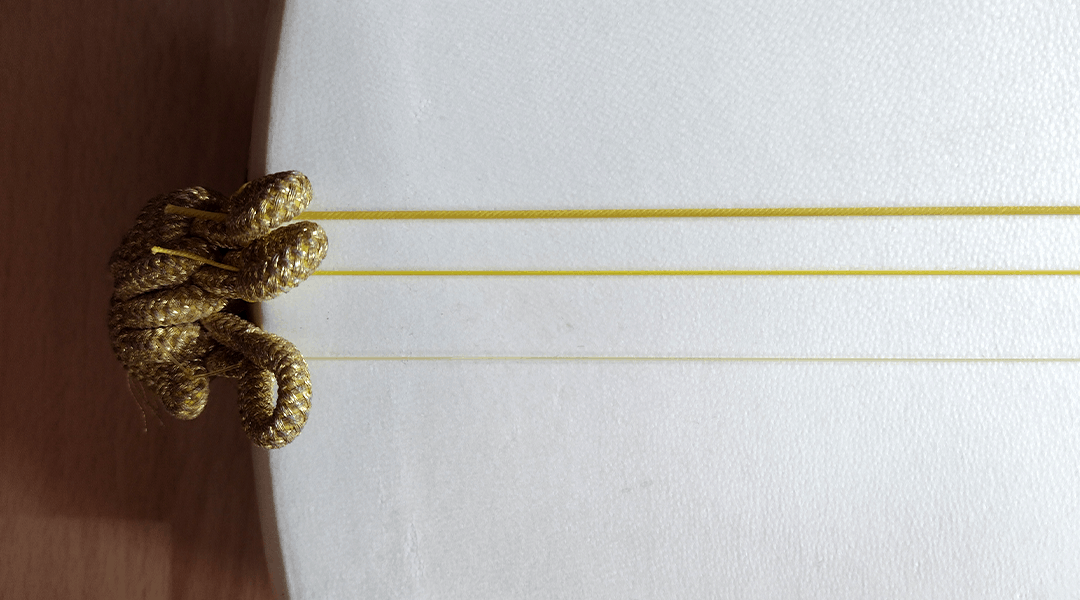
The strings are not evenly spaced.
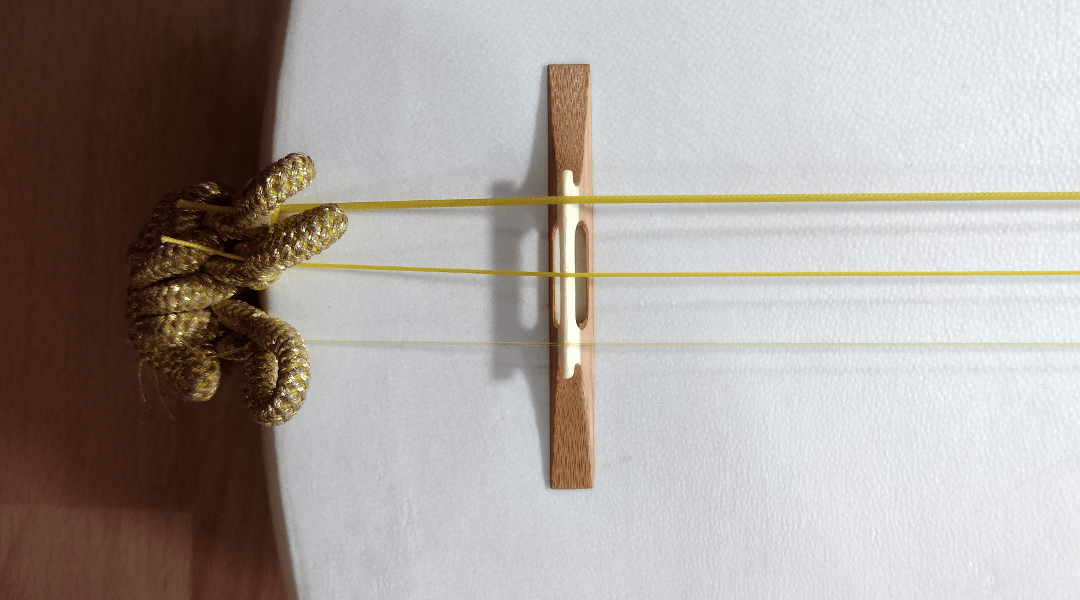
shamisen neo, koma and strings

The middle string runs diagonally toward the koma.

2. The Itomaki

When winding the strings on the pegs, aim for straight, evenly spaced turns. The thick string (ichi no ito) should end near the peg box. If it reaches too early, it can bunch on the next turn and push the peg out, causing tuning to slip. This causes tuning to slip and makes it difficult to secure the itomaki. Be patient and work carefully.

If the string is wound properly but ends up in the wrong spot, simply turn the itomaki back slightly—about one turn—and guide the string with your finger to its correct position while tightening. Depending on the string length and available space, this may require crossing the string over itself. Lower the string into place and tighten the itomaki. The string should settle neatly between the existing windings. This may take a few attempts at first.
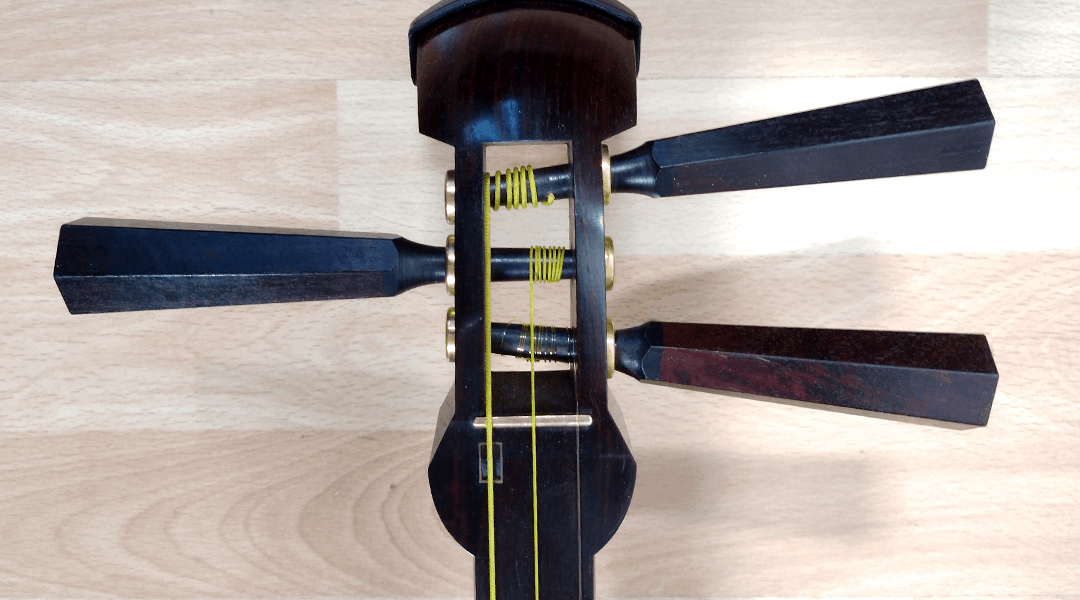
tenjin with strings

The outer strings should lie close to the peg box.

3. The Koma
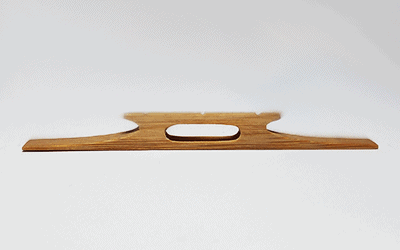
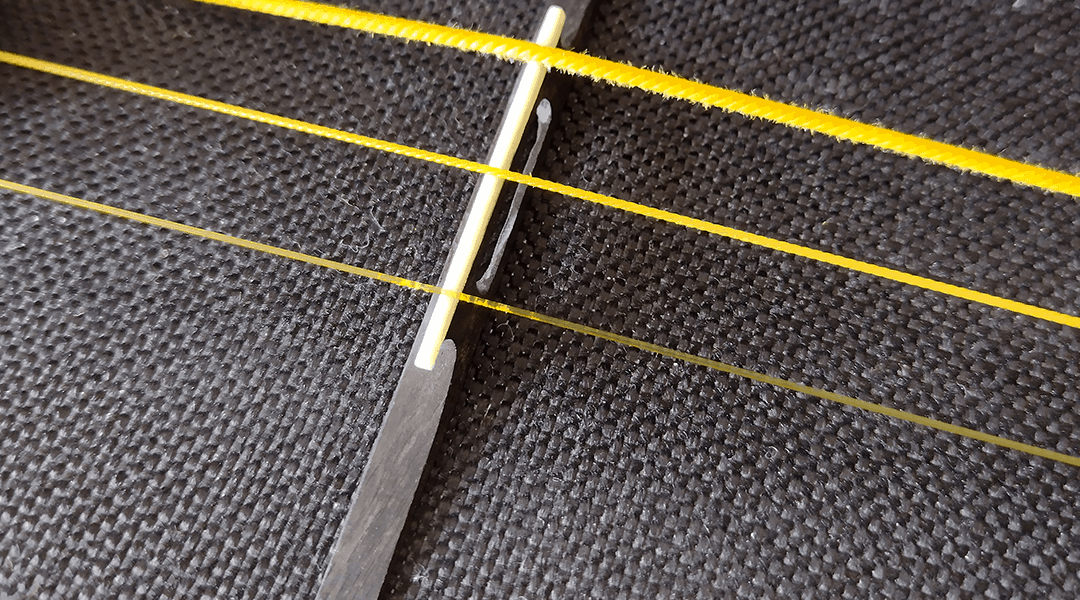
If a string breaks at the koma instead of in the striking area, the groove on the back of the koma may be too sharp. Small notches or sharp corners can wear the string quickly.
Sharp notches on the string at the koma are a good indicator that sanding is needed. Fold a piece of fine sandpaper (around 220 grit) once or twice to give it thickness, then smooth the groove evenly. The culprit may also be the corner at the top of the groove, where the string slips when inserting the koma. You can test this with your finger to feel if the corners are too sharp.

Grooves can also cause problems.

Here, the thin string shows suspicious notches.

4. The Tuning

Strings under higher tension wear out faster. A tightly tuned string is like a taut rope—easier to break. If you tune the instrument higher than the standard C for aesthetics, singing, or ensemble work, the strings may experience more stress and wear sooner.

5. Playing Technique

In my experience, technique makes the biggest difference in string longevity. Whether plucked or struck, aim for minimal, decisive movements. Avoid excessive rubbing with the bachi, which wears down the strings. Beginners often break strings more quickly because their strokes aren’t yet controlled and extra flailing occurs. s. Developing a consistent, smooth, and efficient stroke takes time and practice. With patience and attention, progress will come step by step.

I hope these tips help many strings last longer and give players even more enjoyment from their instruments!

Watch the video here:

Auch interessant: 

Shoulder and Back Exercises for Shamisen Players

Shoulder and Back Exercises for Shamisen Players

Tension in the shoulders and back is a common issue among shamisen beginners. When focusing on so many new techniques at once, the body tends to join the brain in tensing up in solidarity. Luckily, a few simple exercises can quickly bring relief.

DIY Yubisuri from Elastic Band

DIY Yubisuri from Elastic Band

Anyone who’s ever forgotten their yubisuri while playing shamisen knows that it’s just not the same without it. Yubisuri can be made in various ways, and this simple elastic-band version is perfect for those who usually shy away from crafts.

The Chōshiawase – More Than Just Tuning

The Chōshiawase – More Than Just Tuning

Chōshiawase is a fascinating feature of Tsugaru Shamisen performance: tuning the instrument right before a piece begins, and making that process part of the performance itself. There are rules, but also freedoms, and if you want to give it a try yourself, it’s good to know both.

Pin It on Pinterest

Share This